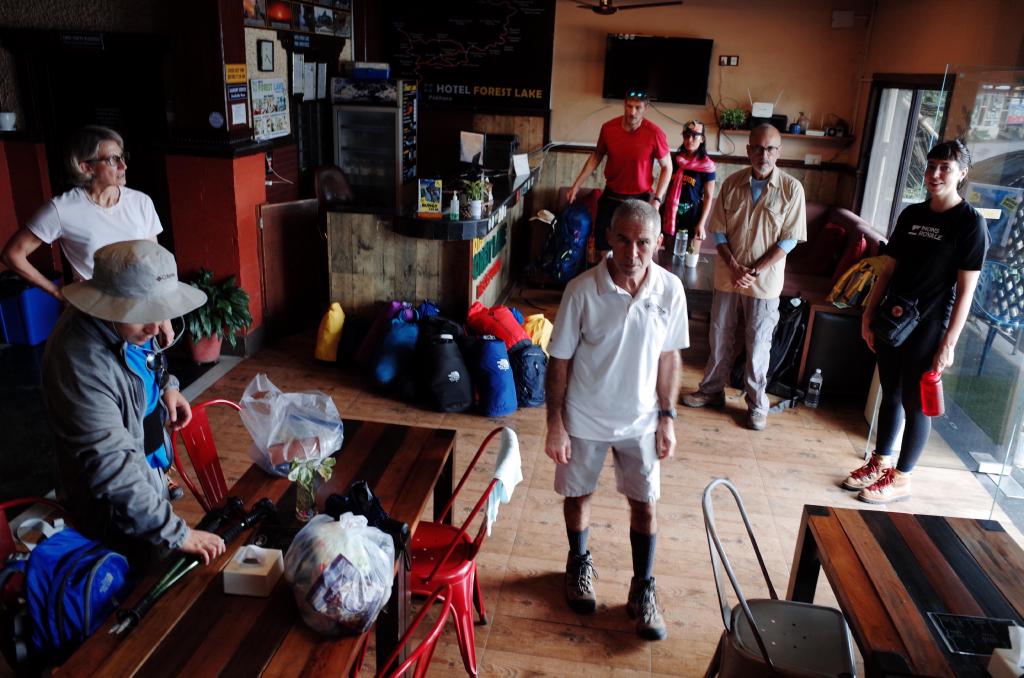
 Loading the jeeps at Hotel Forest Lake, Pokhara.
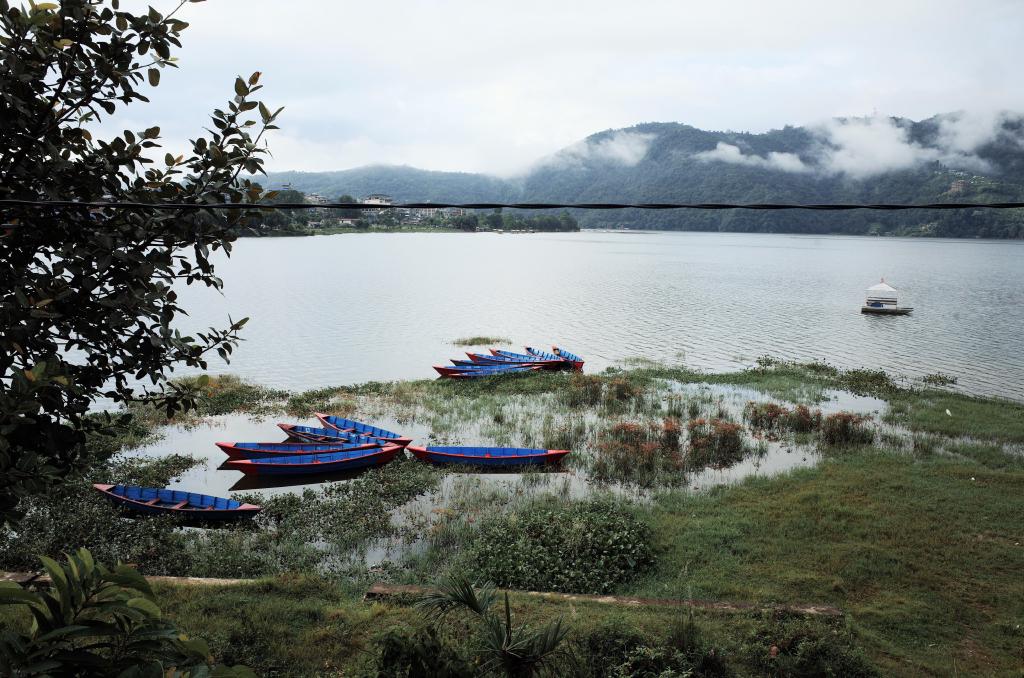
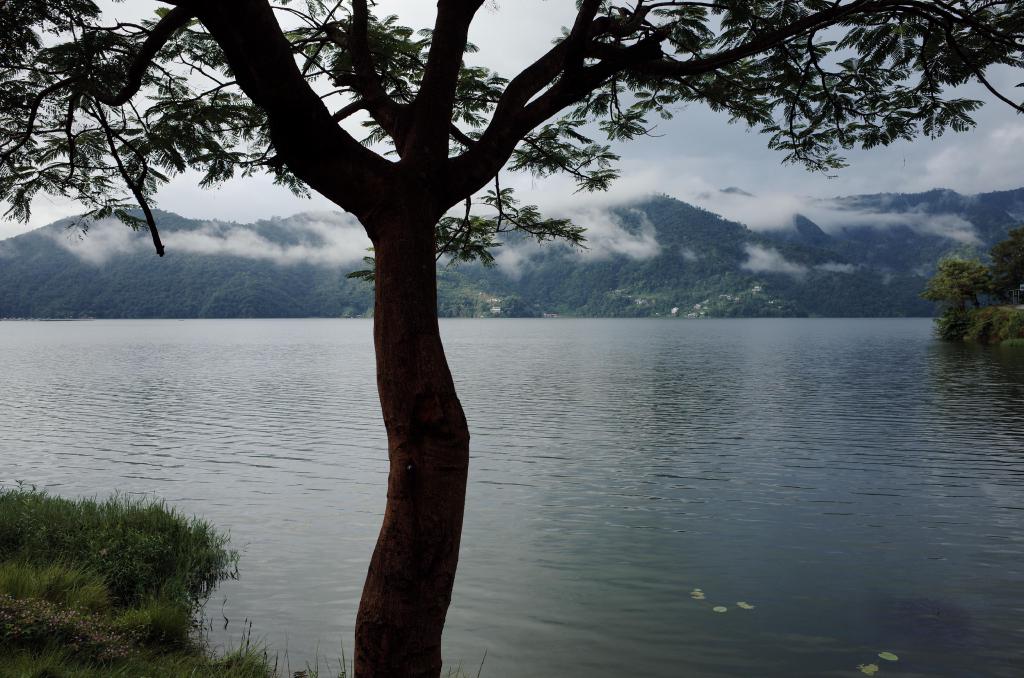 Phewa Lake.
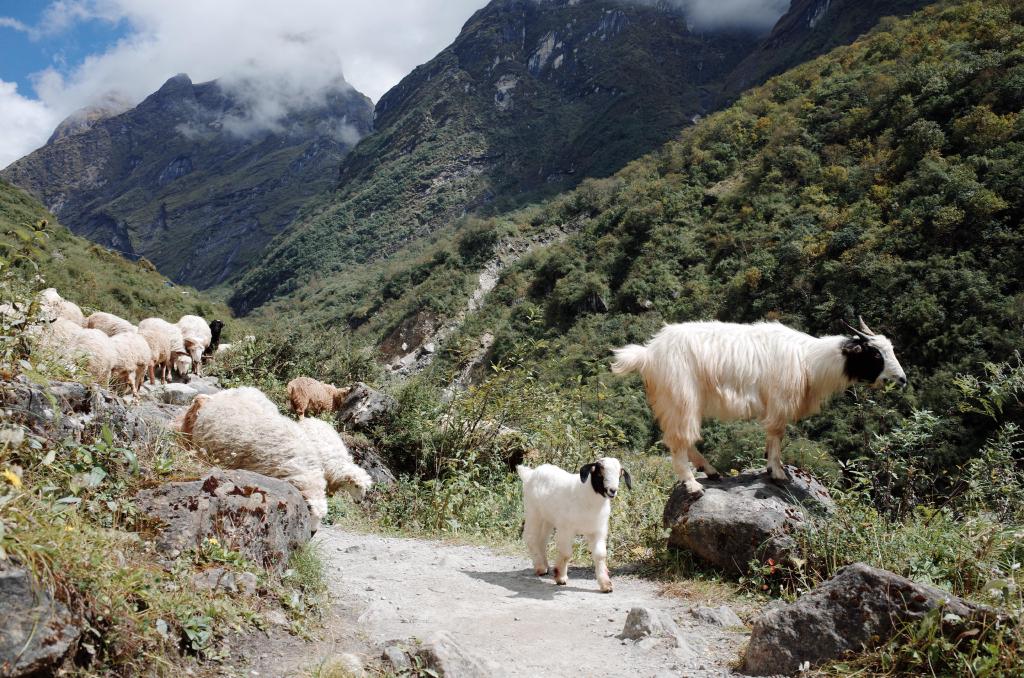
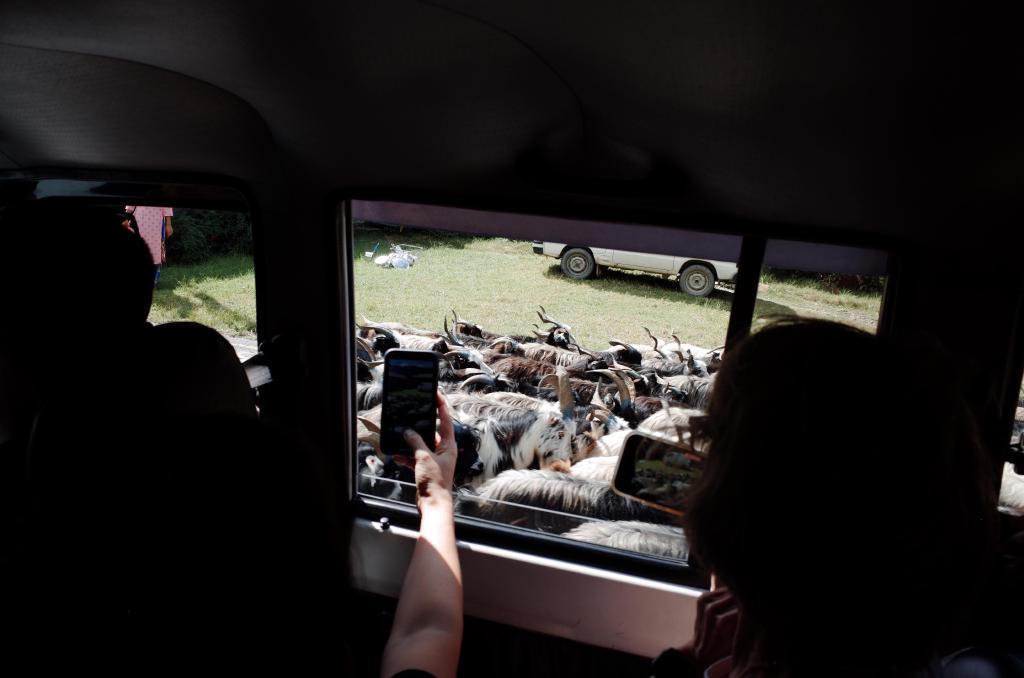 During Dashain, which is one of the most important Hindu festivals in Nepal, goats are traditionally slaughtered as part of the celebrations. This is especially common during the eighth and ninth days, known as Maha Ashtami and Maha Navami. The sacrifice of goats, buffaloes, and other animals is considered an offering to the goddess Durga, symbolizing the victory of good over evil. The meat is then consumed as part of the festival’s feasts. However, not all families participate in animal sacrifices, and some may opt for symbolic offerings or vegetarian alternatives.
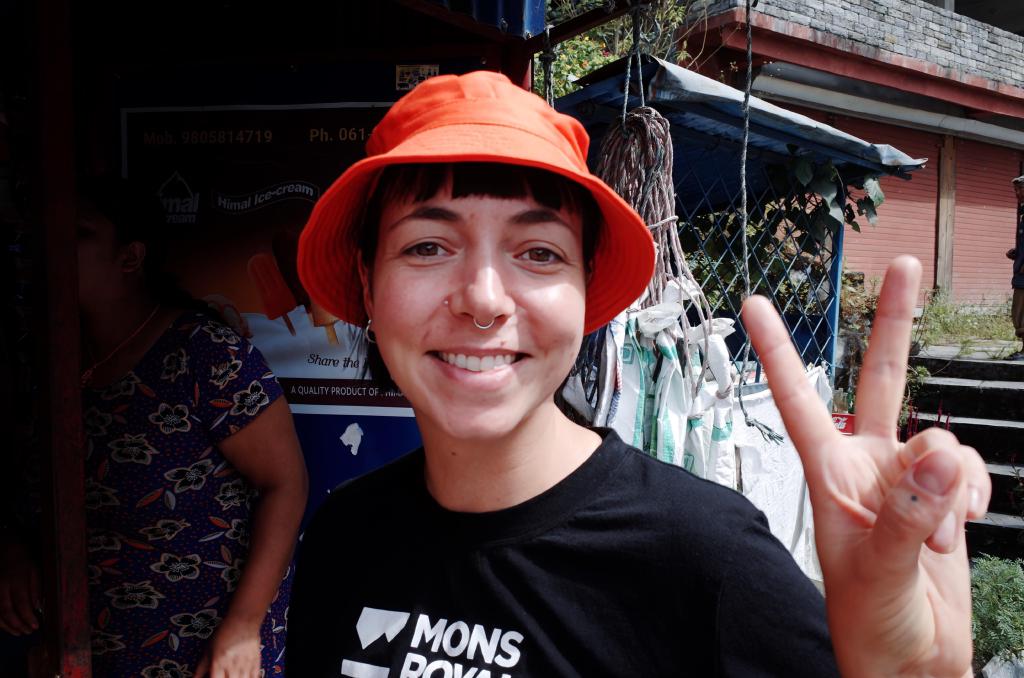
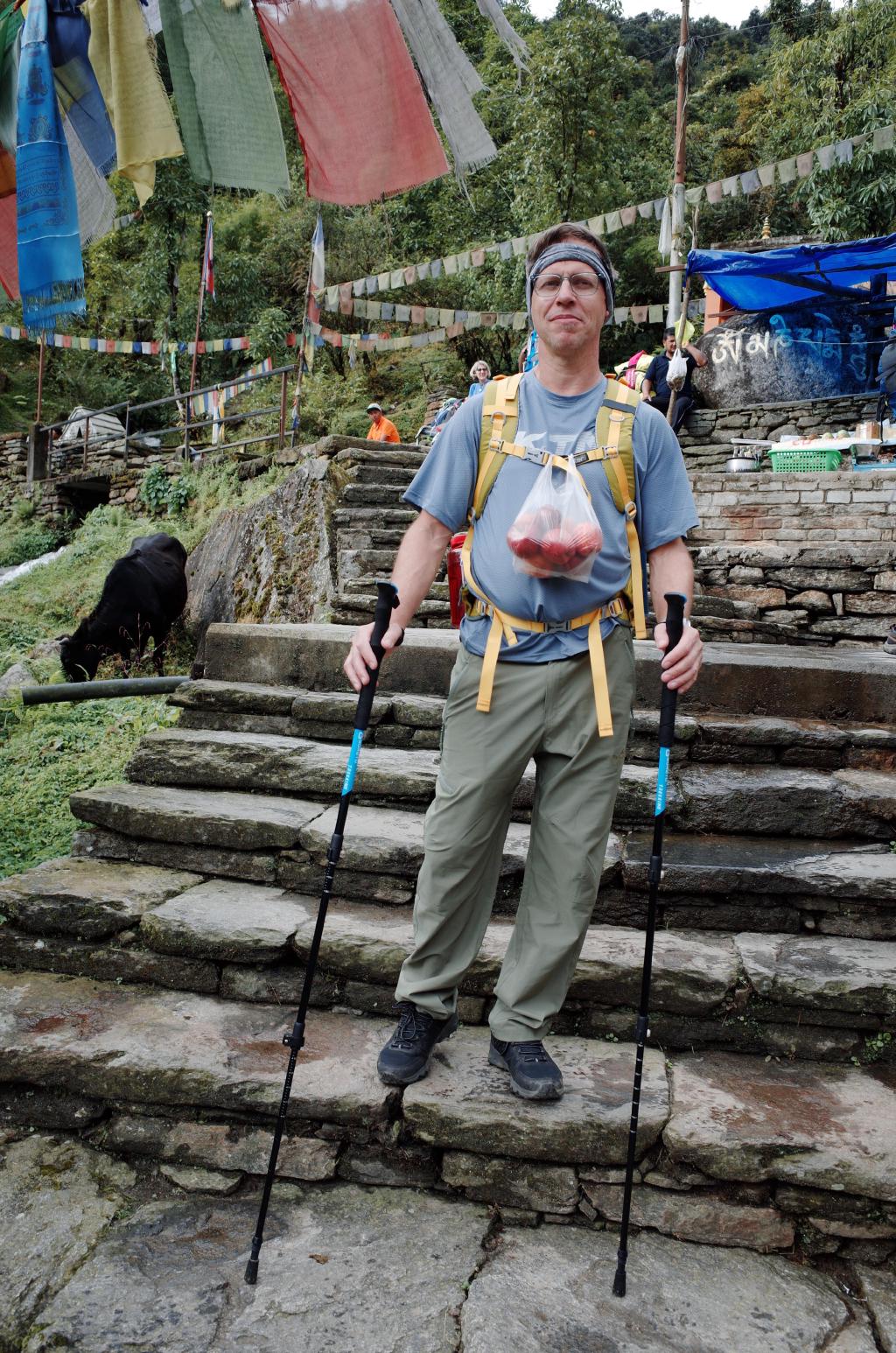
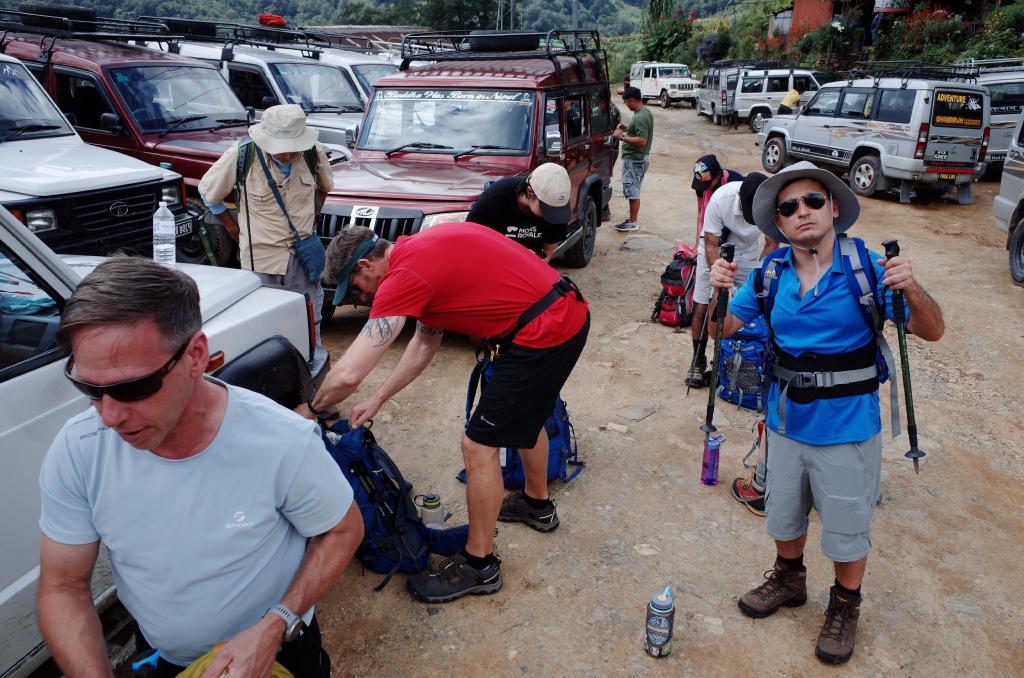 The trek begins on Day 1: New Bridge to Chhomrong via Jhinu Danda.
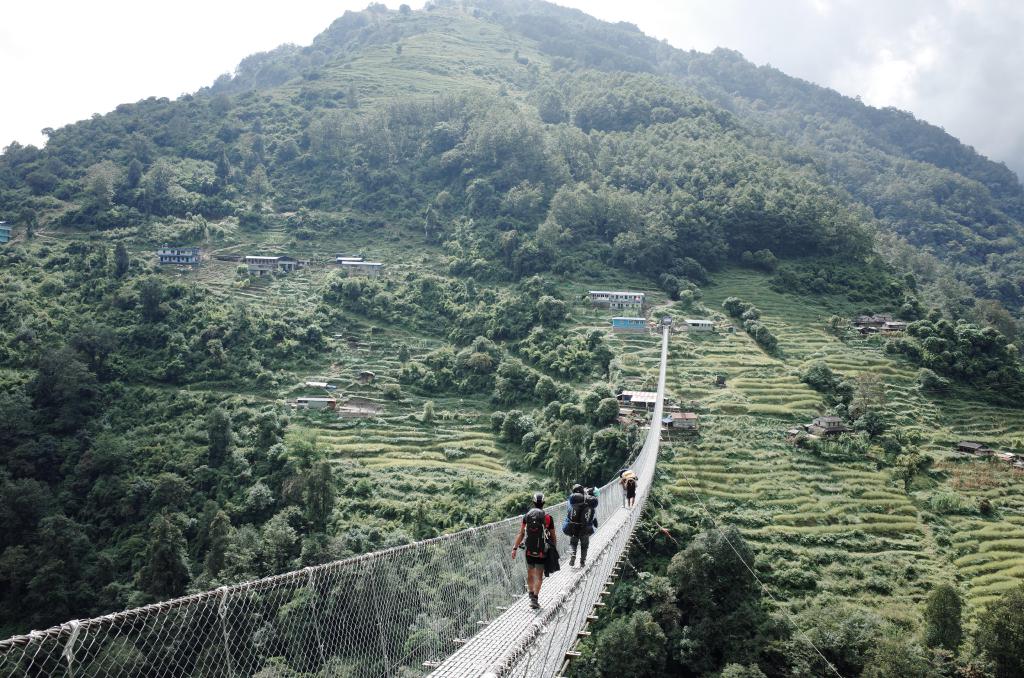
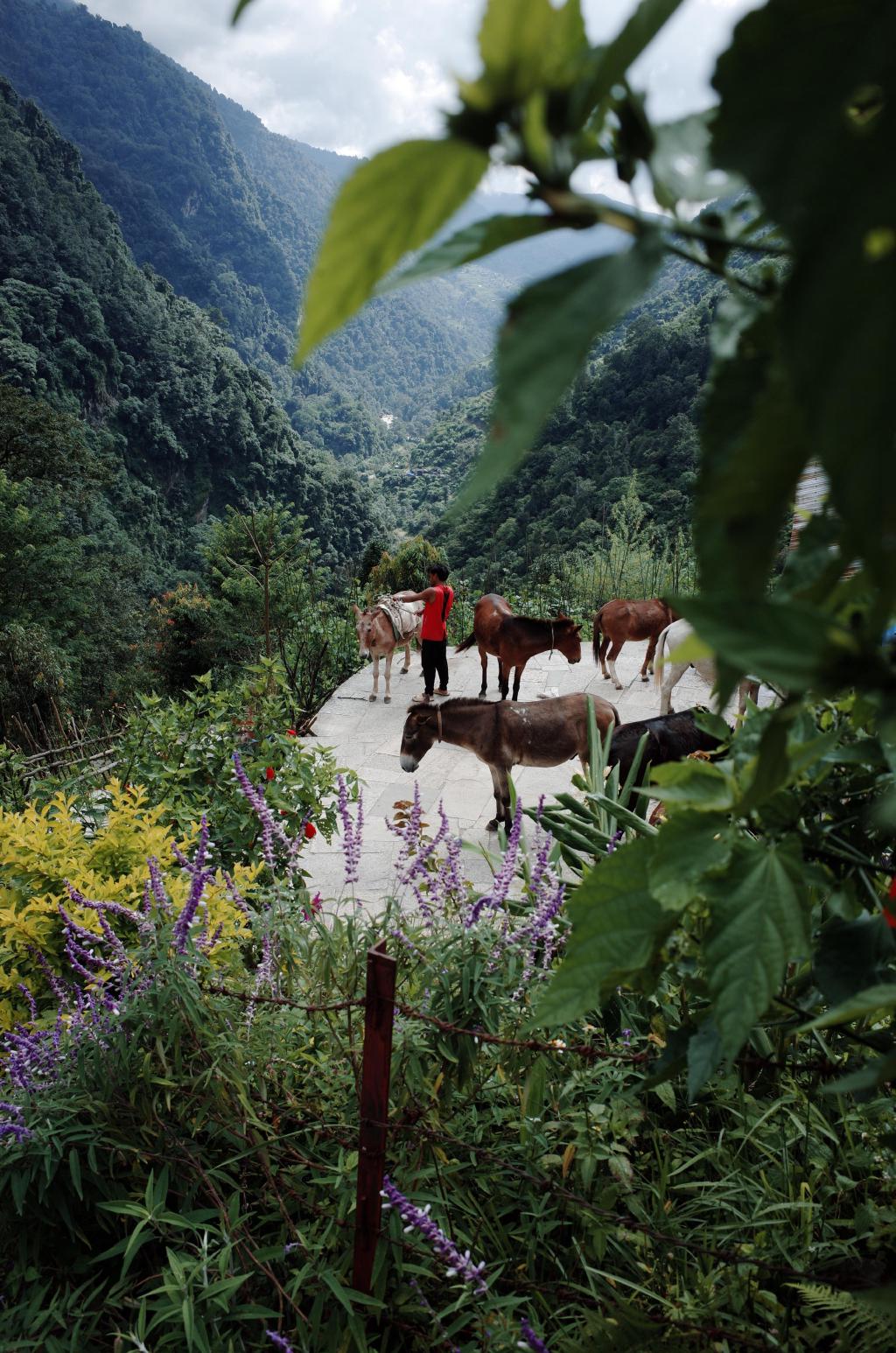
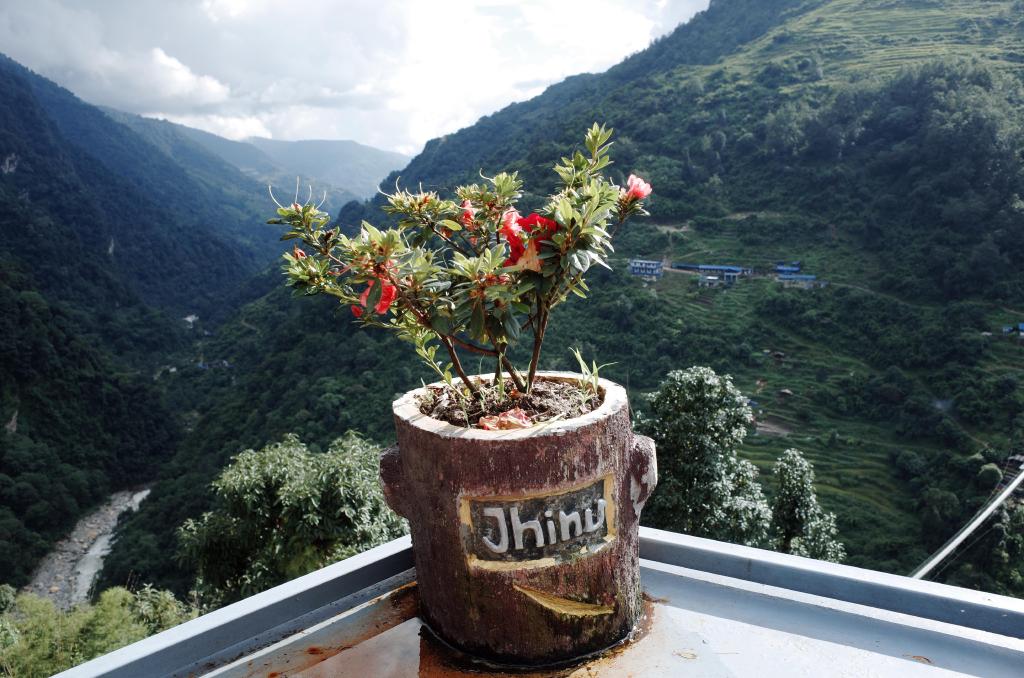
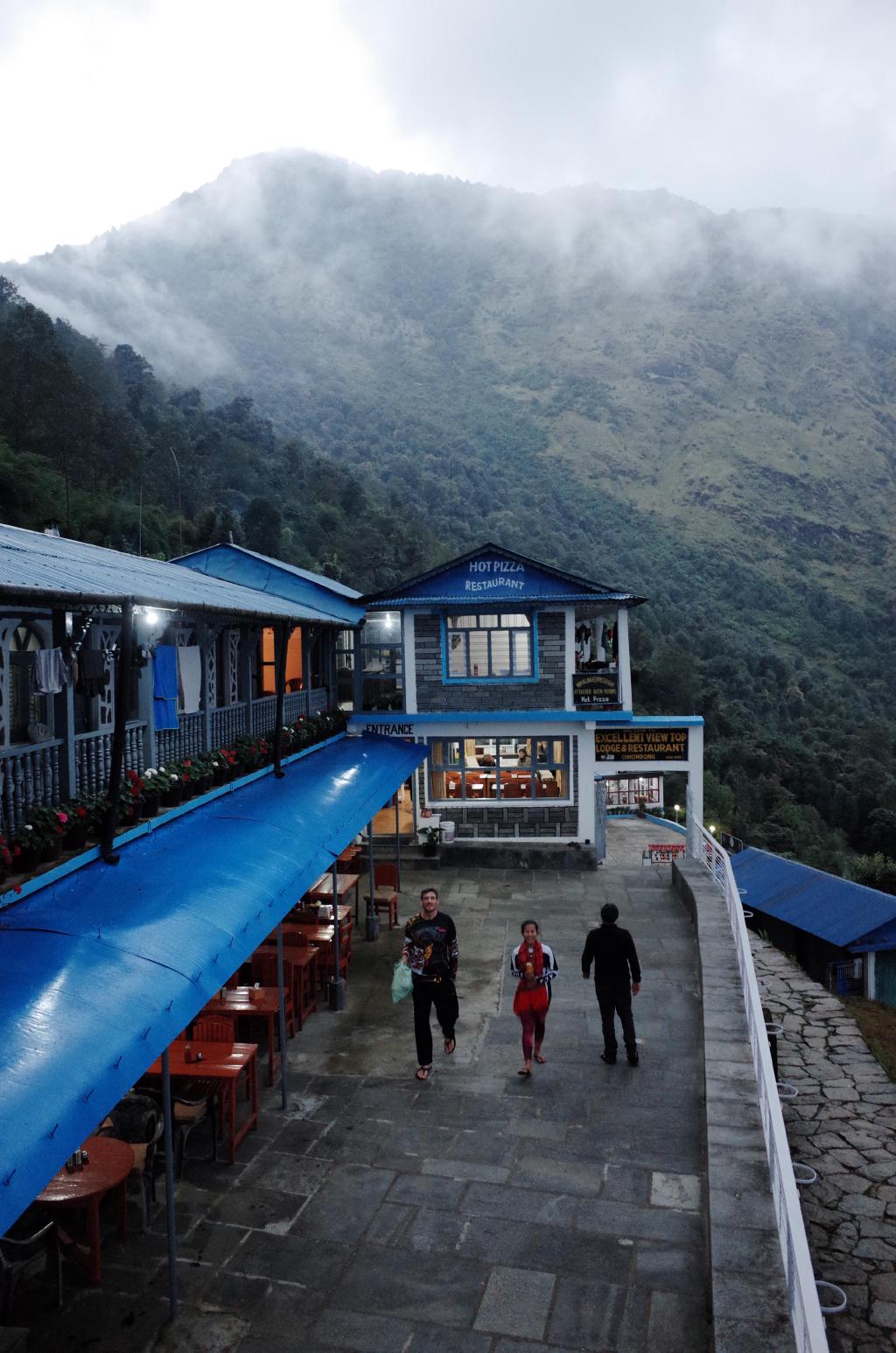 End of Day 1 in Chhomrong; 5.74 km; 673 m ele gain; 2 h 15 m.
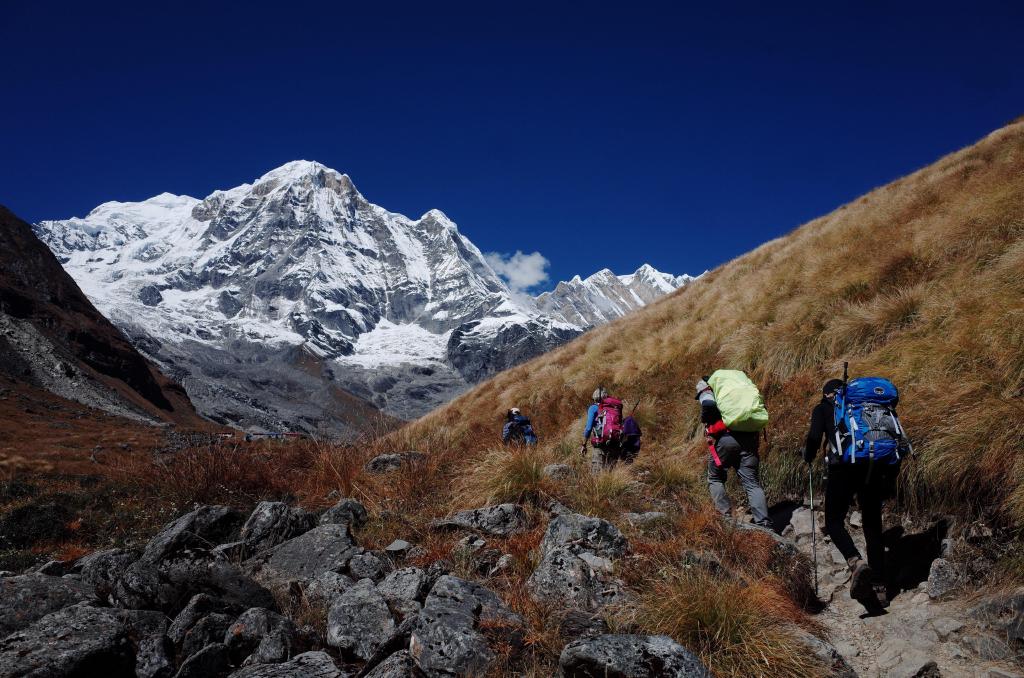
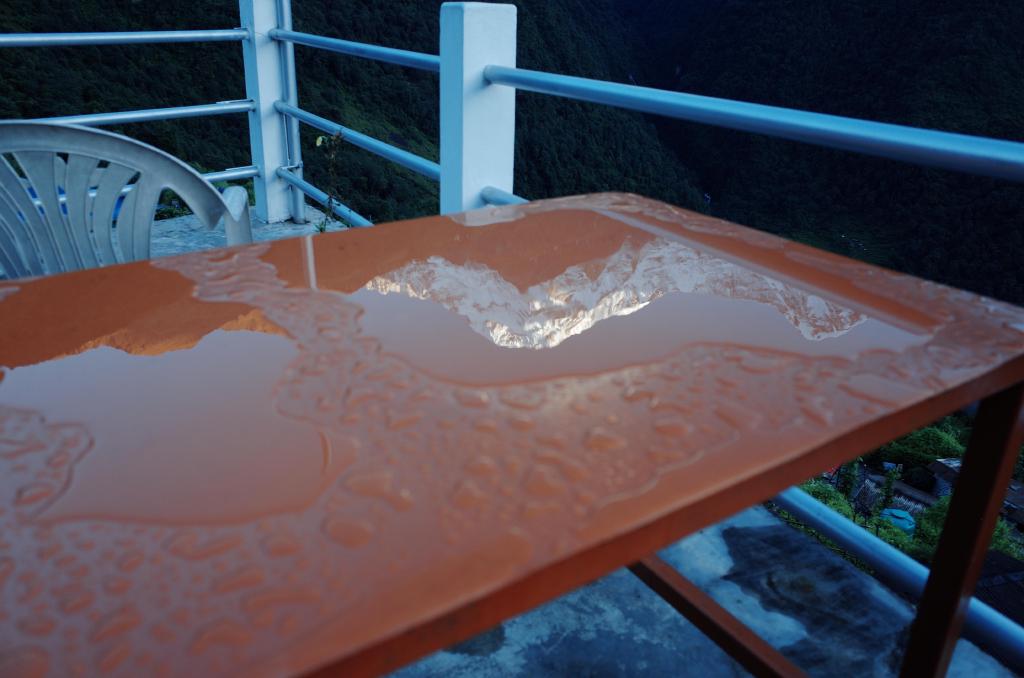 Annapurna South at sunrise.
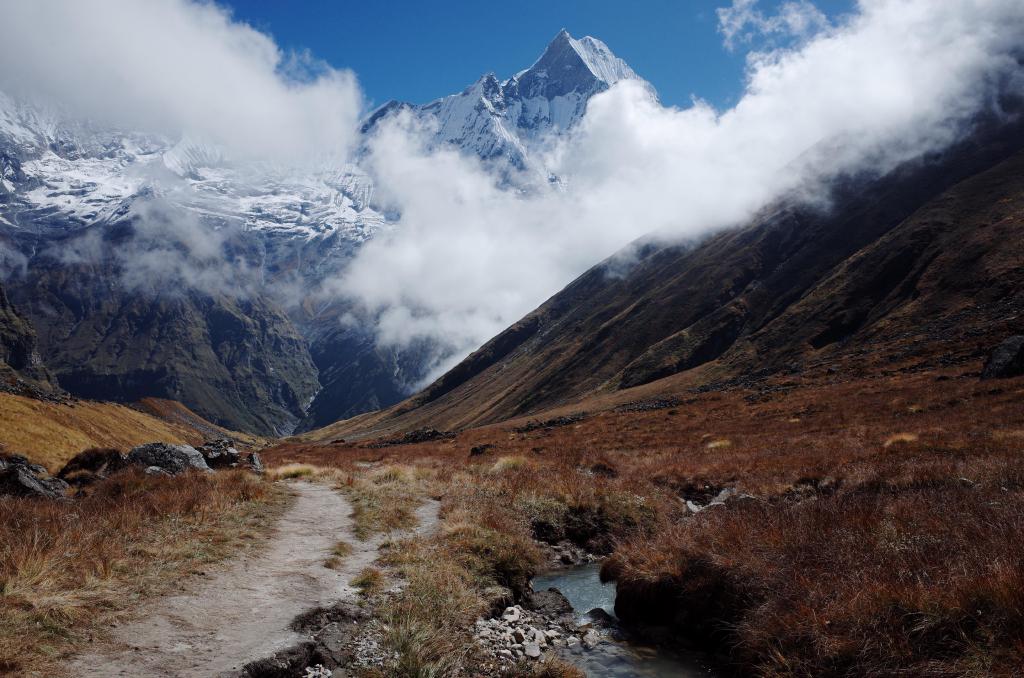
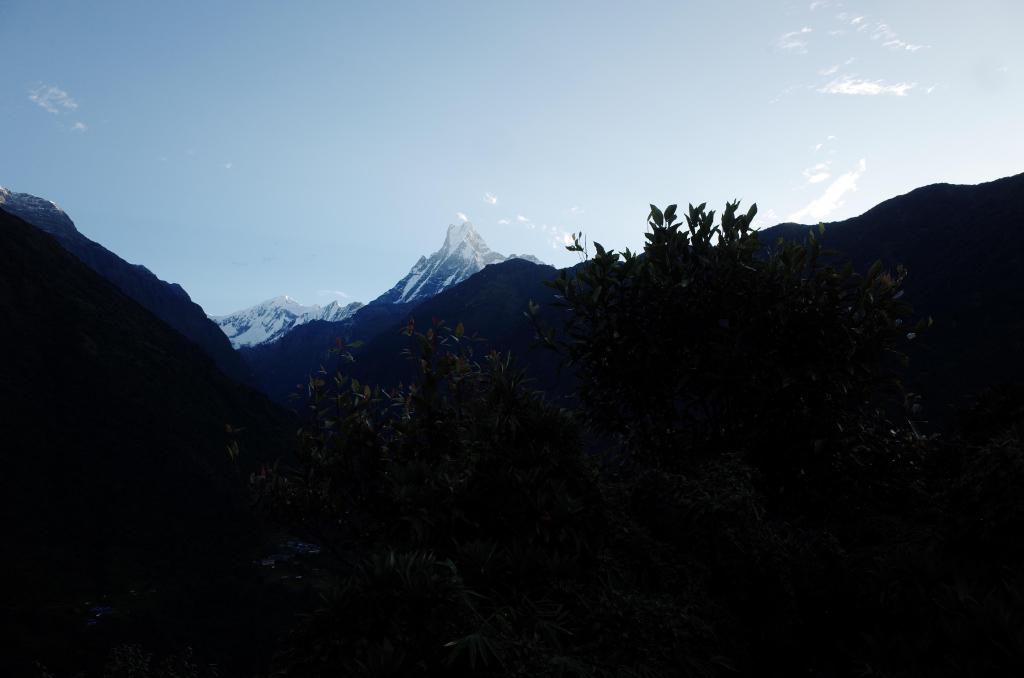 Machapuchare, also known as “Fish Tail” mountain, is a prominent peak in the Annapurna Himalayas of Nepal. It is part of the Annapurna Massif and stands at an elevation of 6,993 meters (22,943 feet).
Machapuchare is considered a sacred mountain in Nepal, particularly to the Gurung people, as it is believed to be the home of the Hindu god Shiva. Due to its cultural and religious significance, the Nepalese government has prohibited climbing Machapuchare, and no successful summit attempts have been officially recorded. It remains one of the few unclimbed mountains in the world.
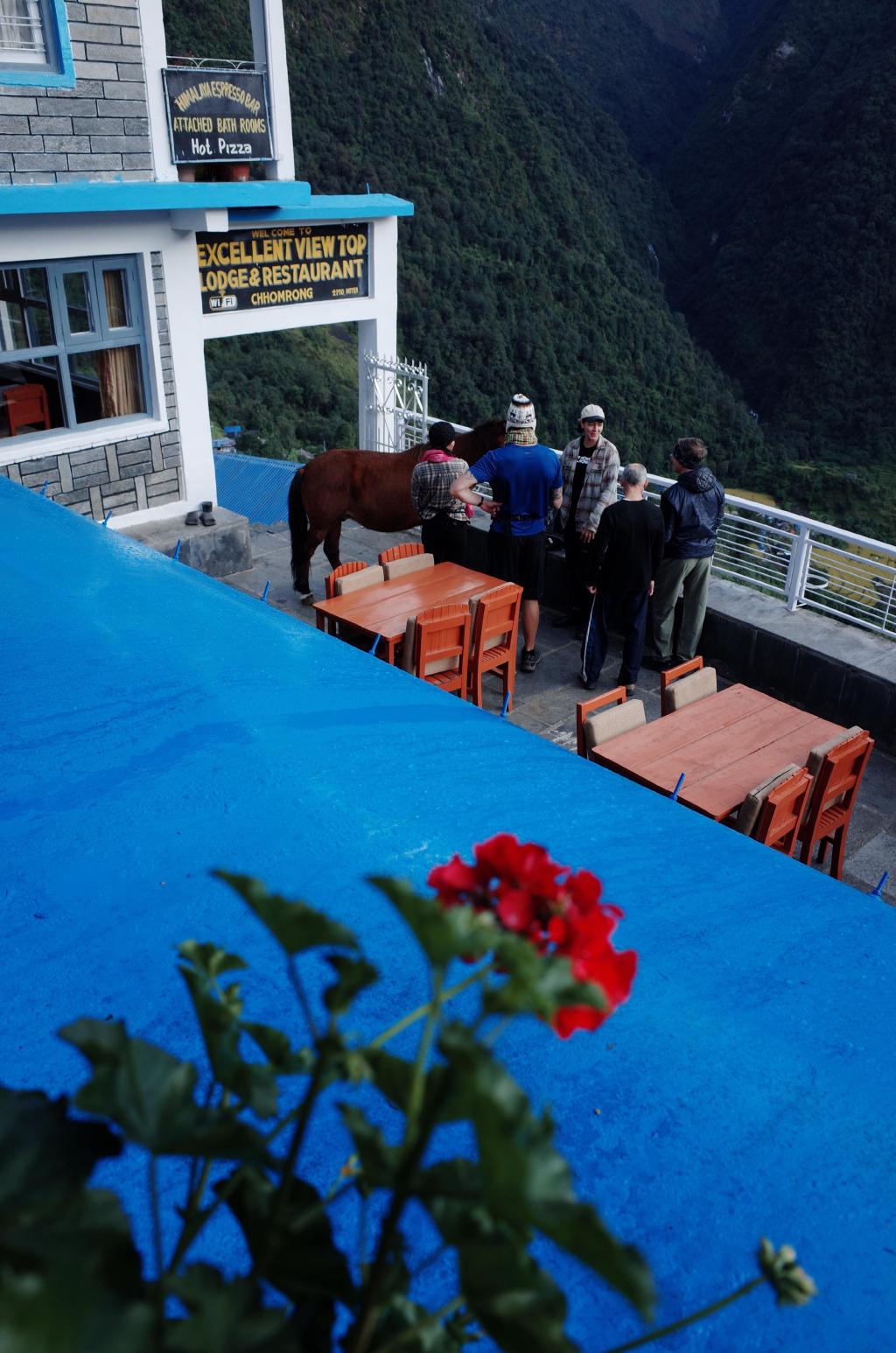
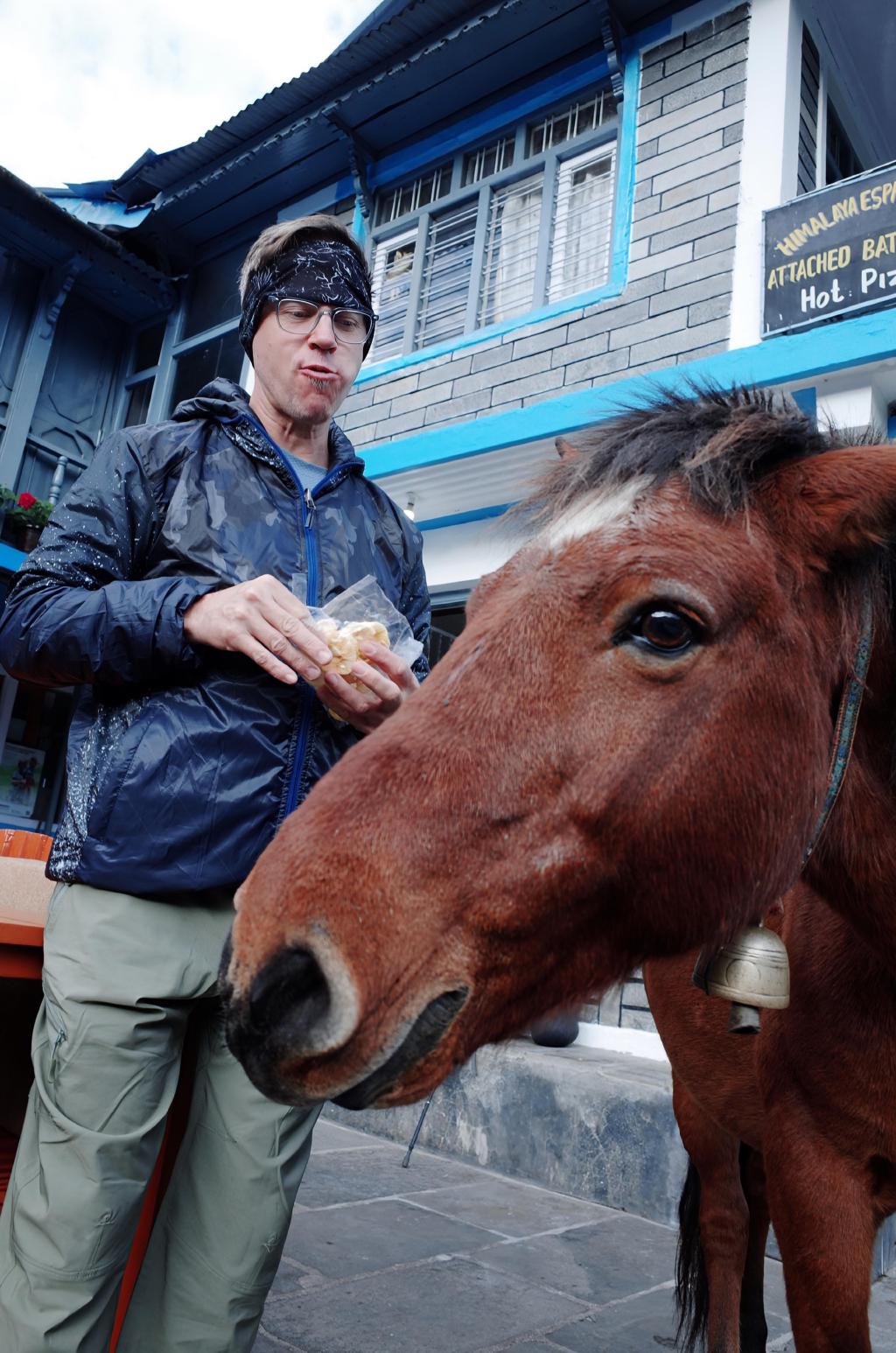
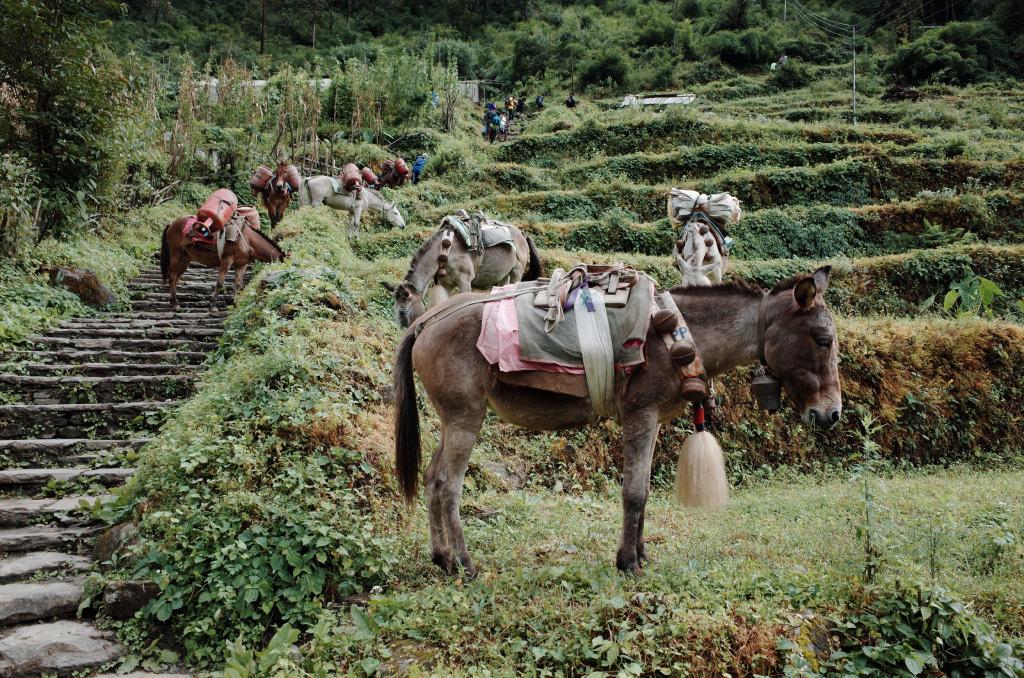
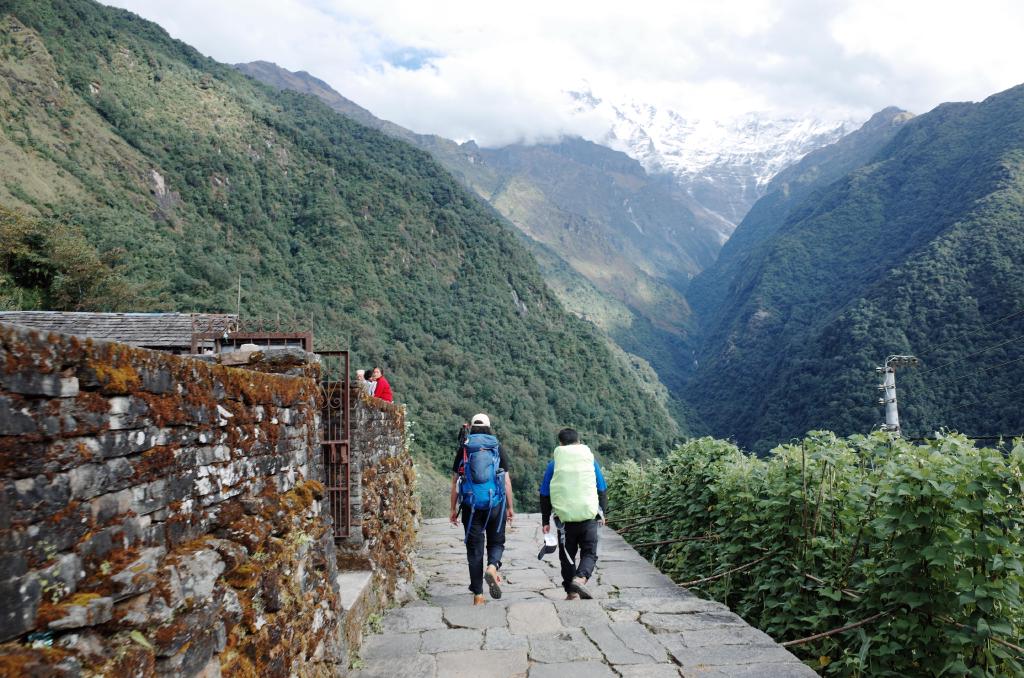 Start of Day 2: Chhomrong to Dhoban via Bamboo.
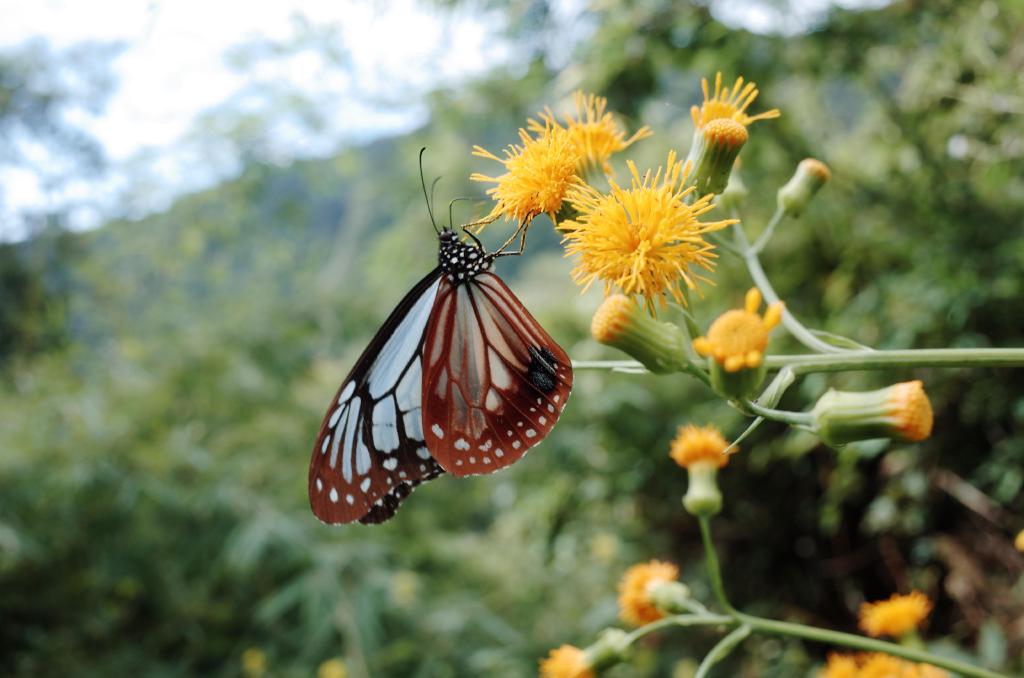 Chestnut tiger butterfly.
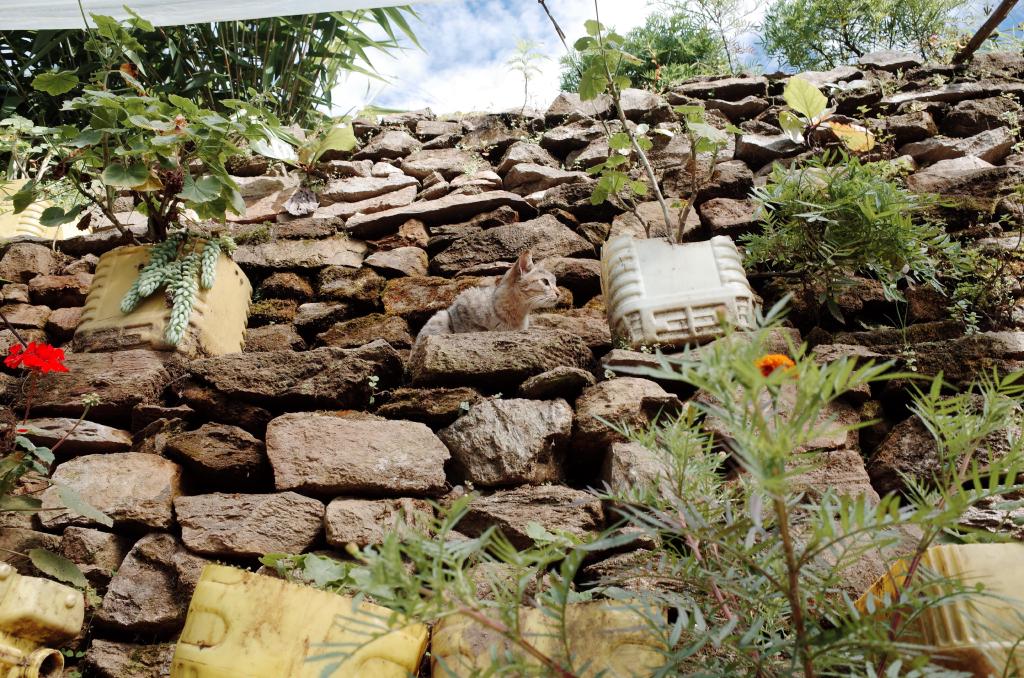
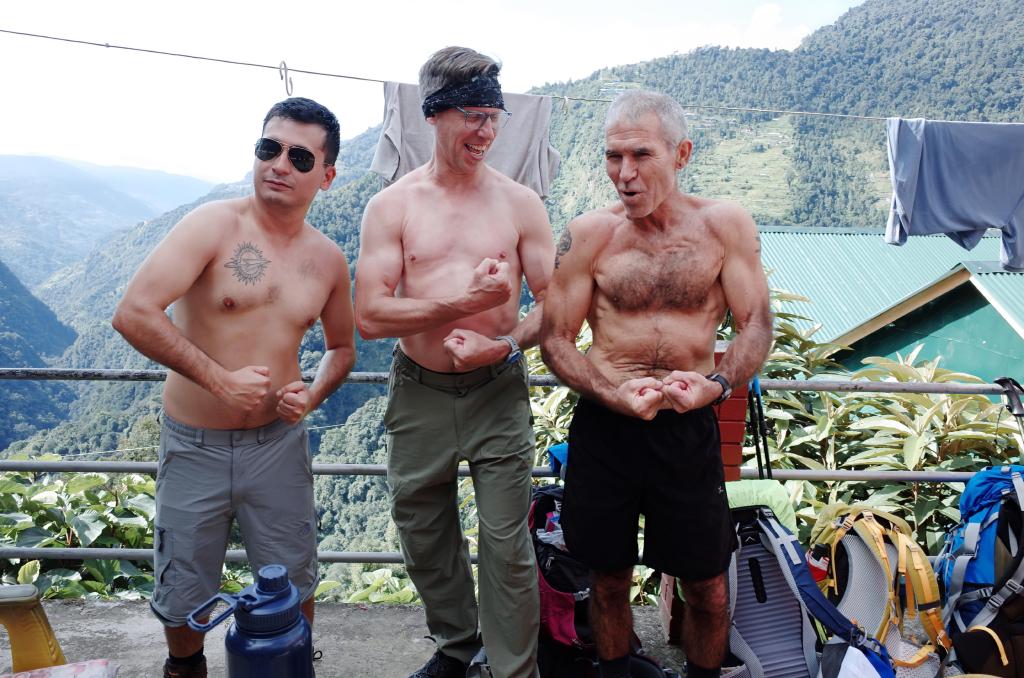 Tea break in Sinuwa.
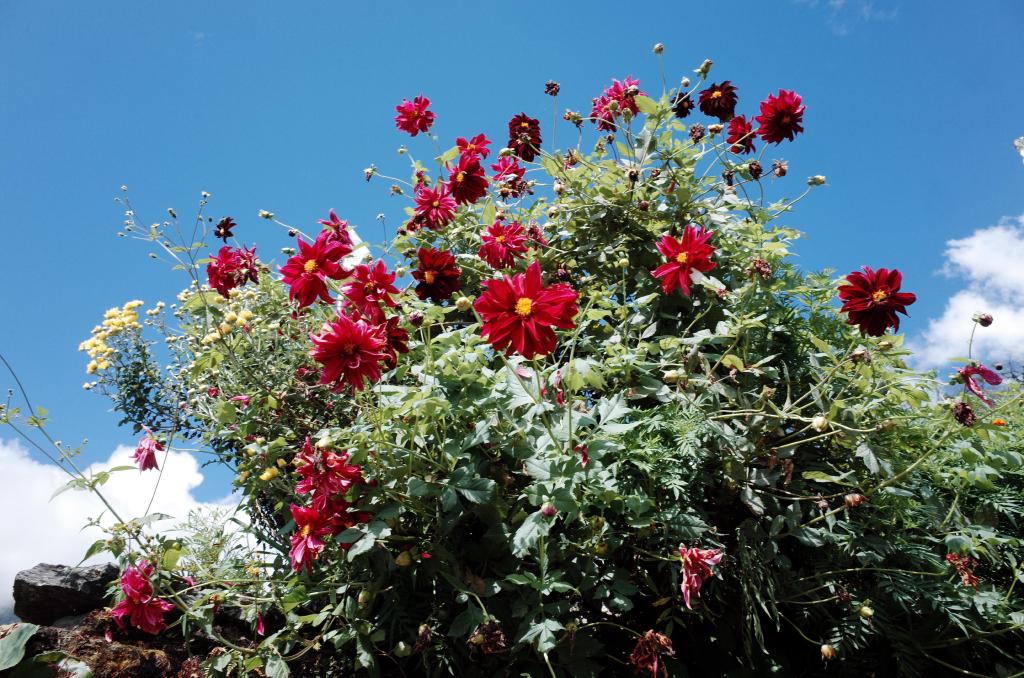 Red dahlia.
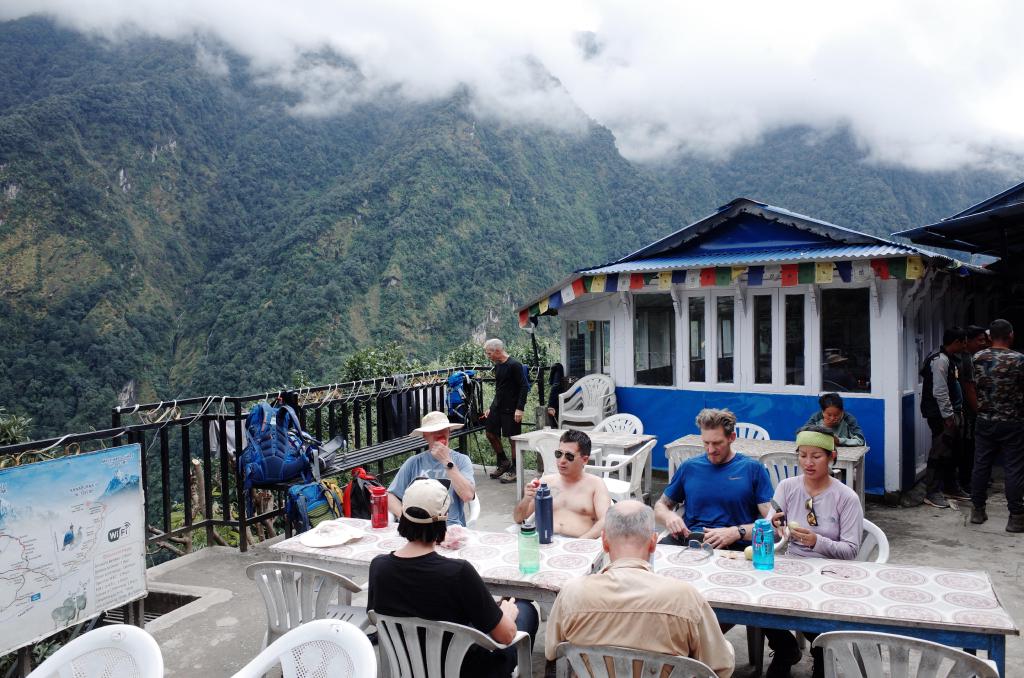 Lunch in Bamboo.

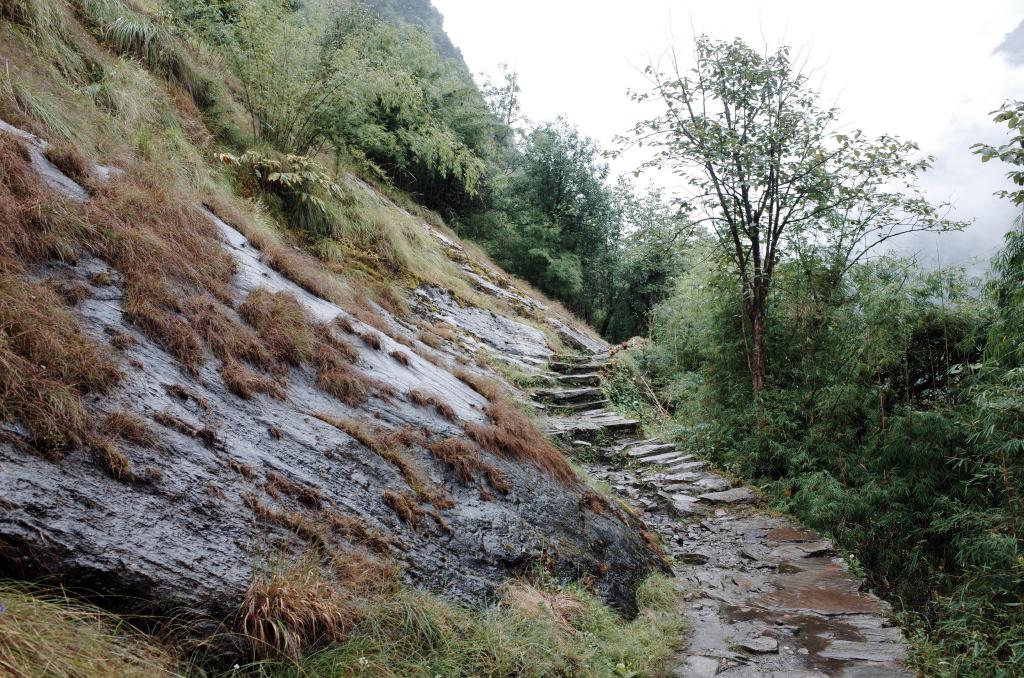
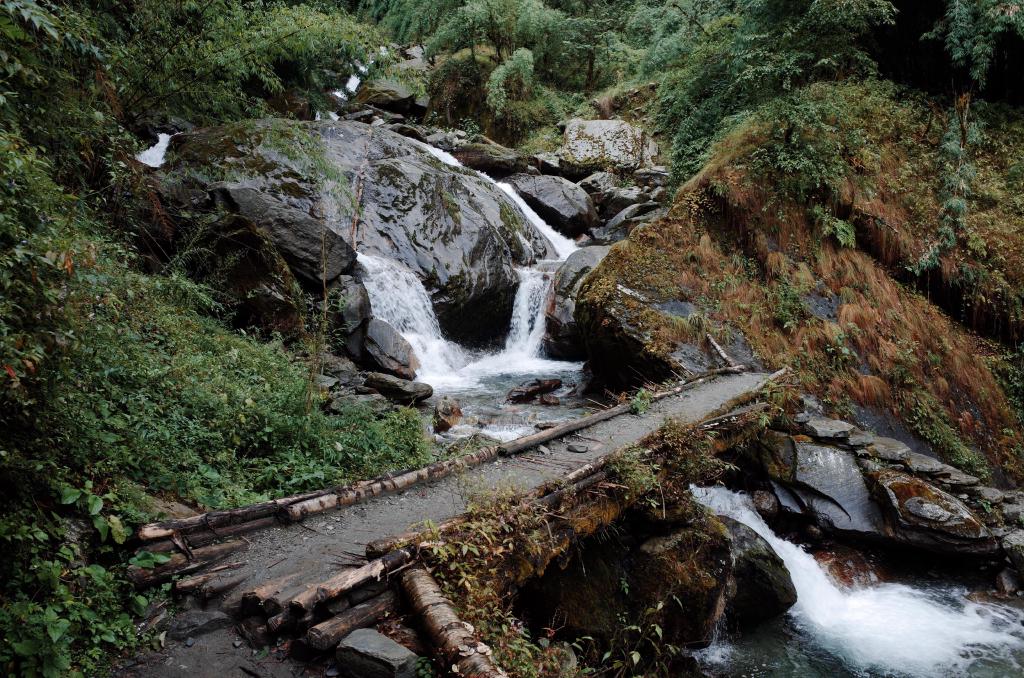
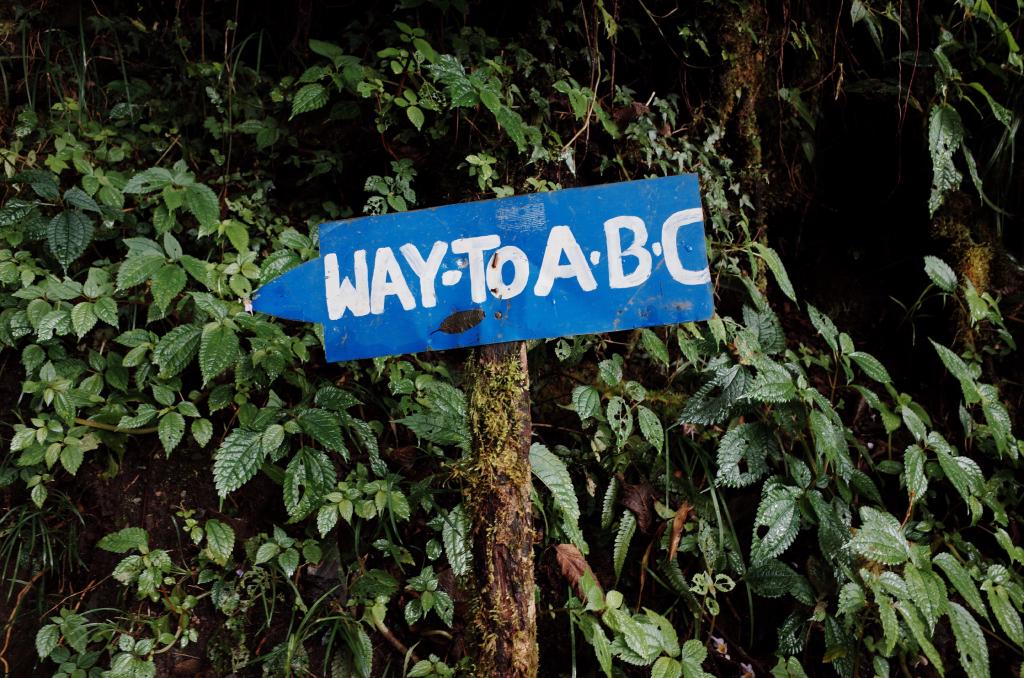 End of Day 2 in Dhoban; 11.04 km; 860 m ele gain; 4 h 17 m.
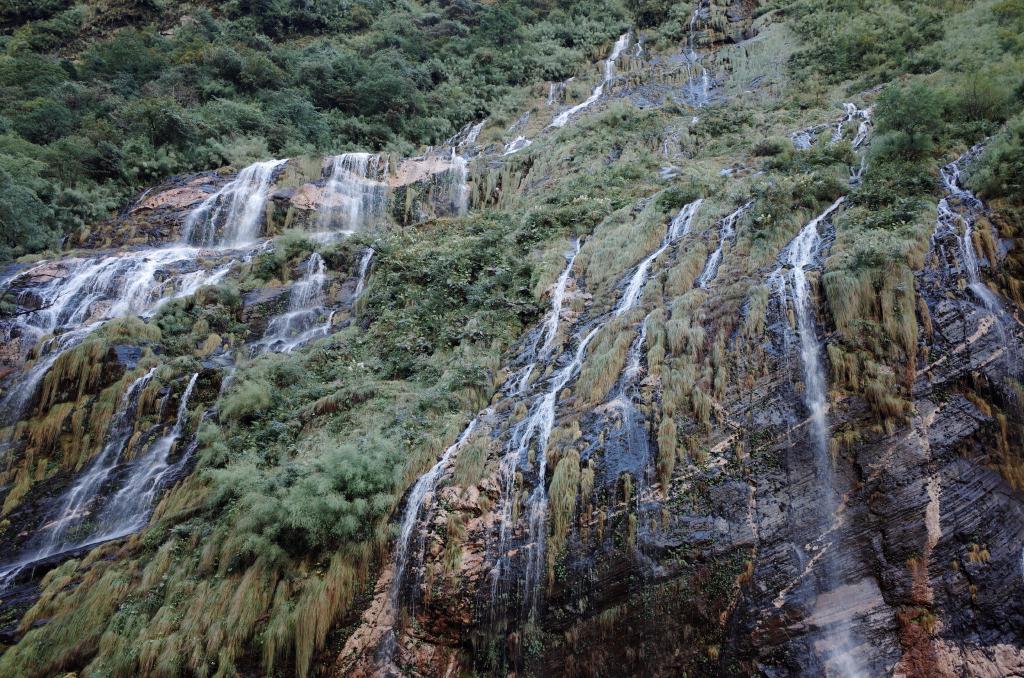 Start of Day 3: Dobhan to MBC via Deurali.
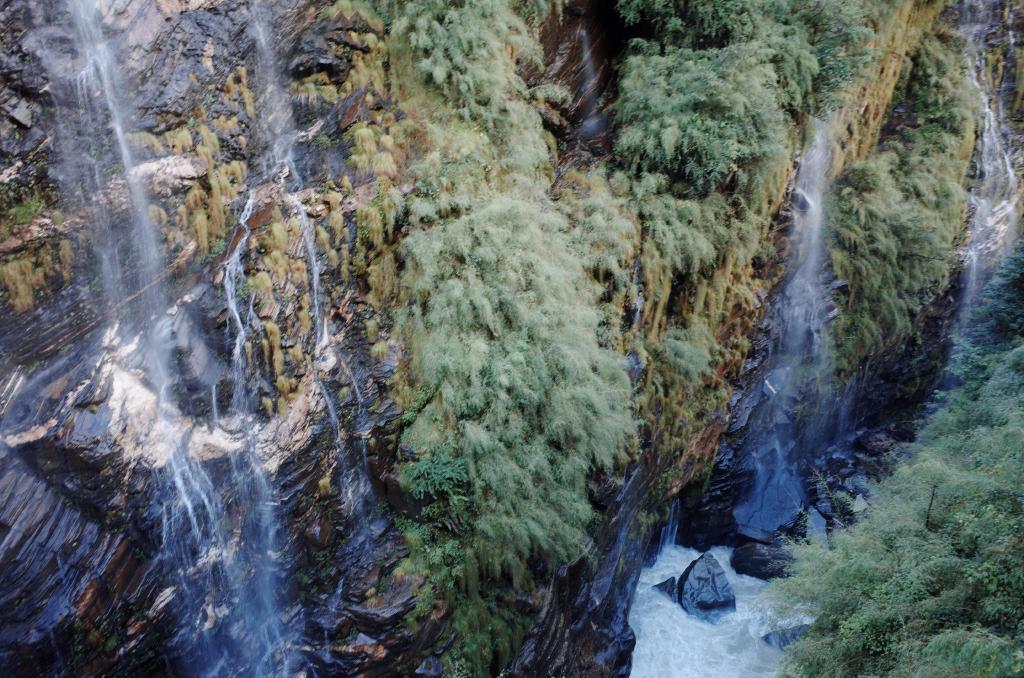
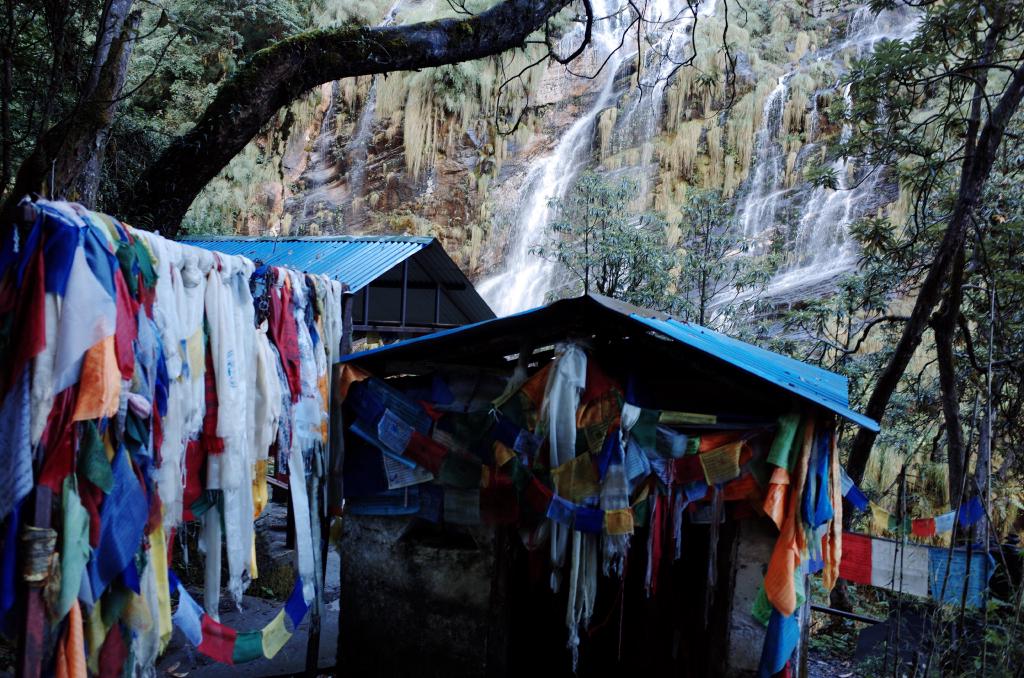
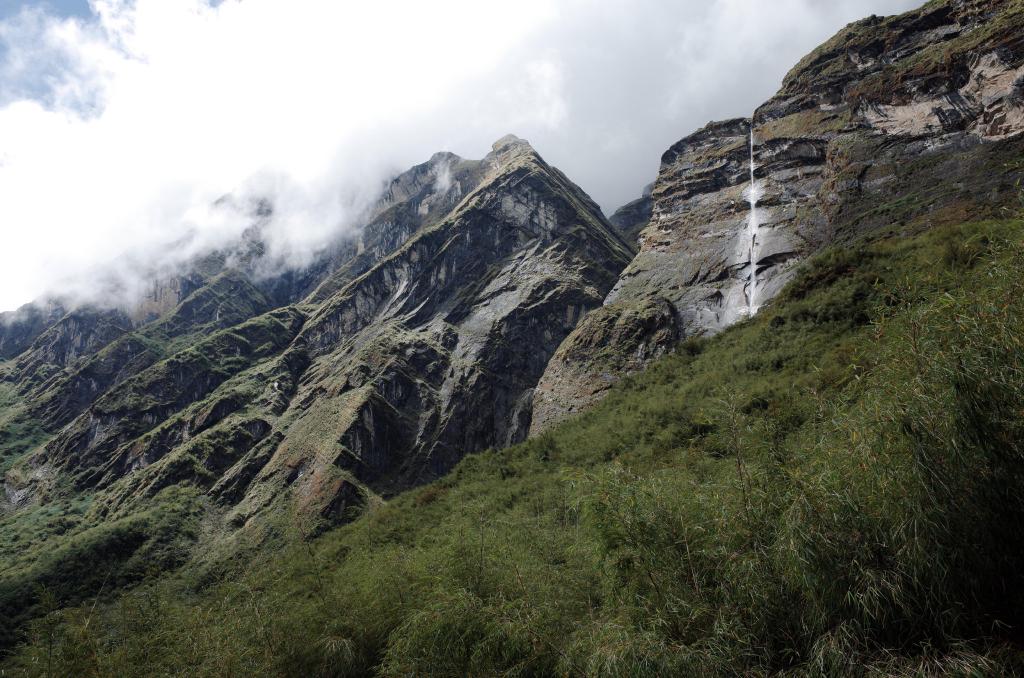
Pojo Nim Baraha is a sacred waterfall and shrine located near Machapuchare and is deeply revered by the Gurung community. The shrine is dedicated to Baraha, a form of Lord Vishnu, and it holds significant spiritual value for the Gurung people. According to local belief, Pojo Nim Baraha is associated with the protection of the region and its people, offering blessings to those who visit and pray.
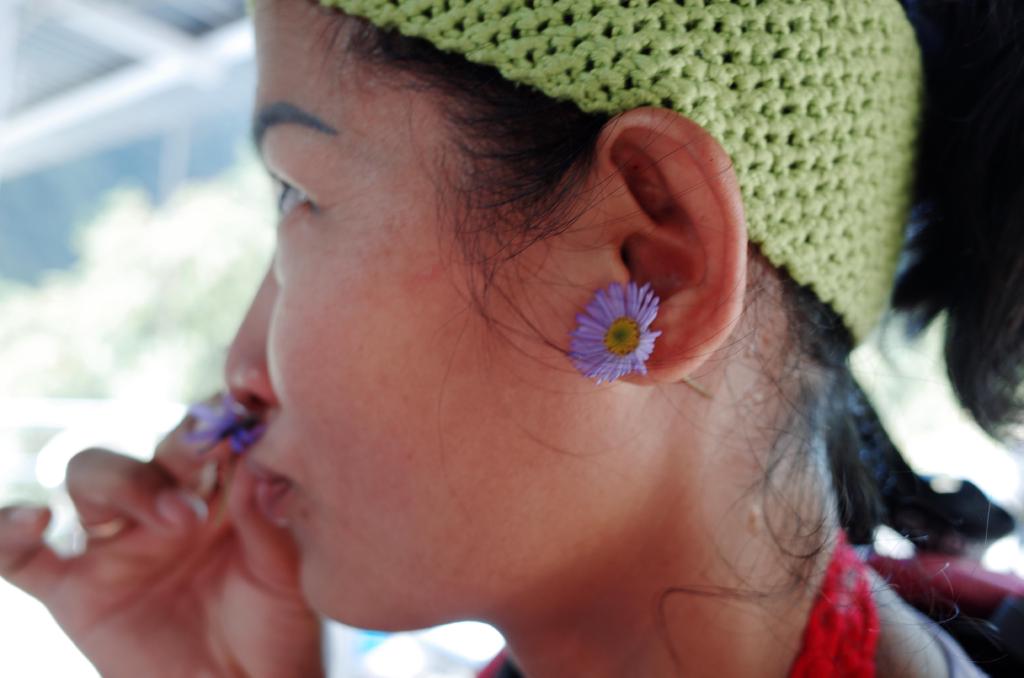 Sky dons alpine aster earrings.
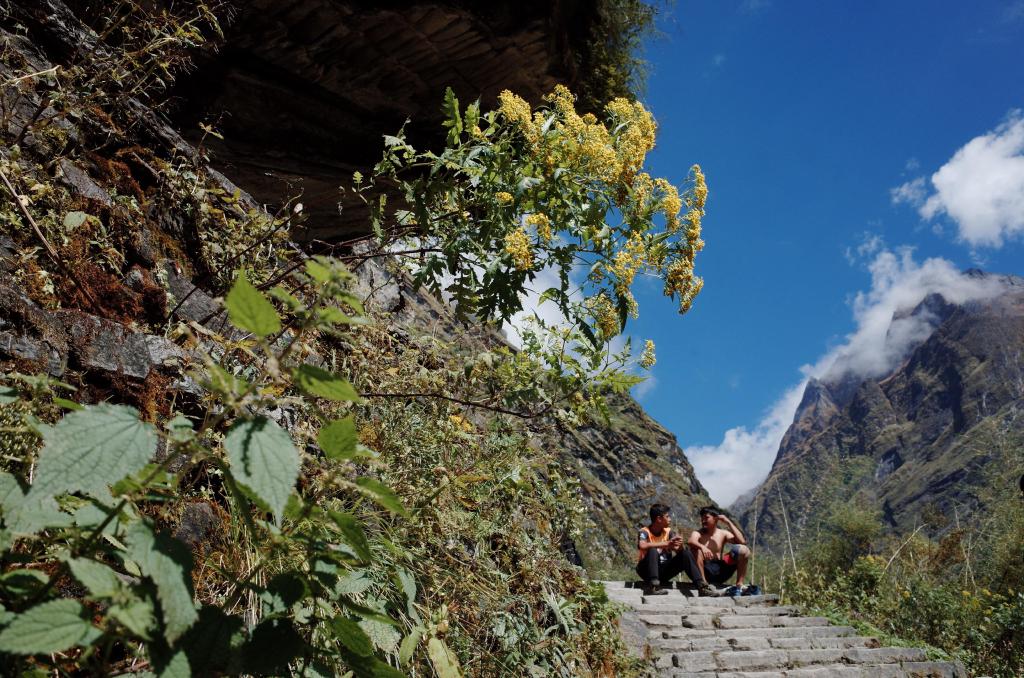
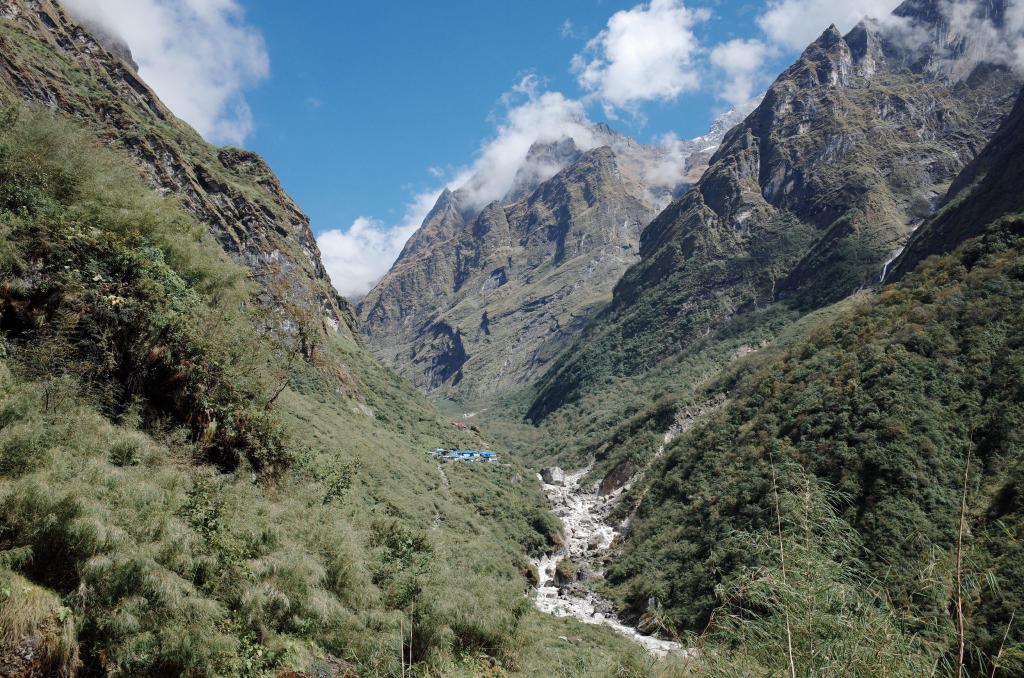
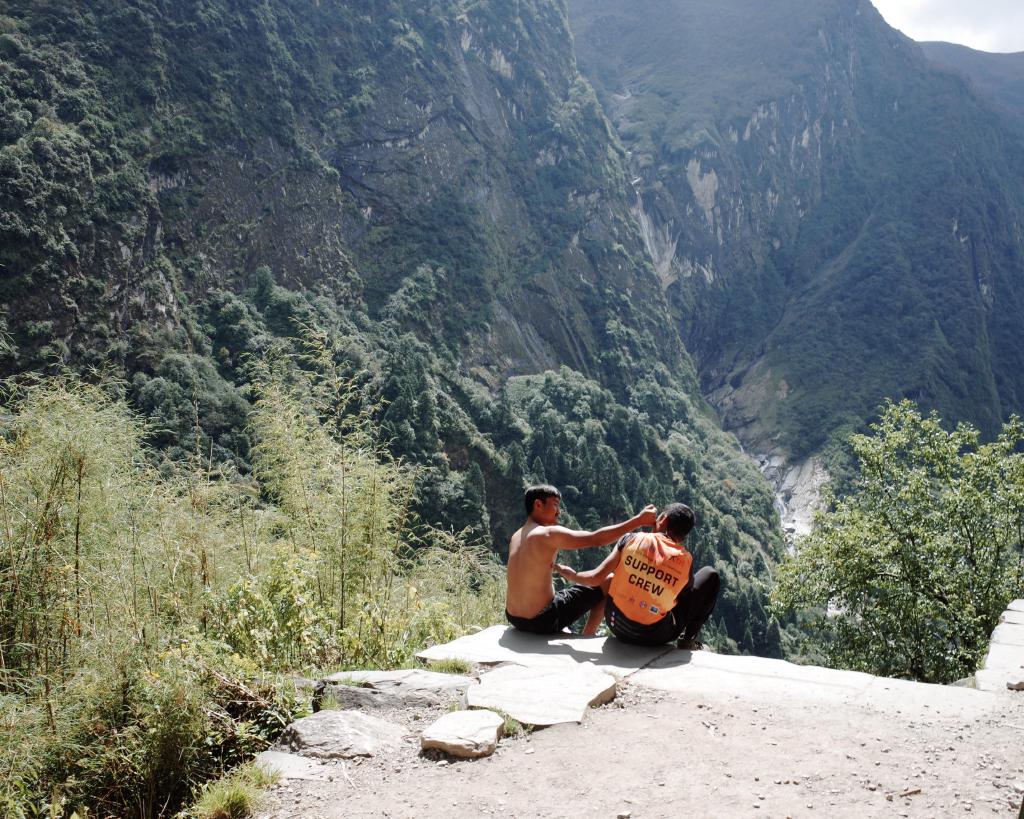
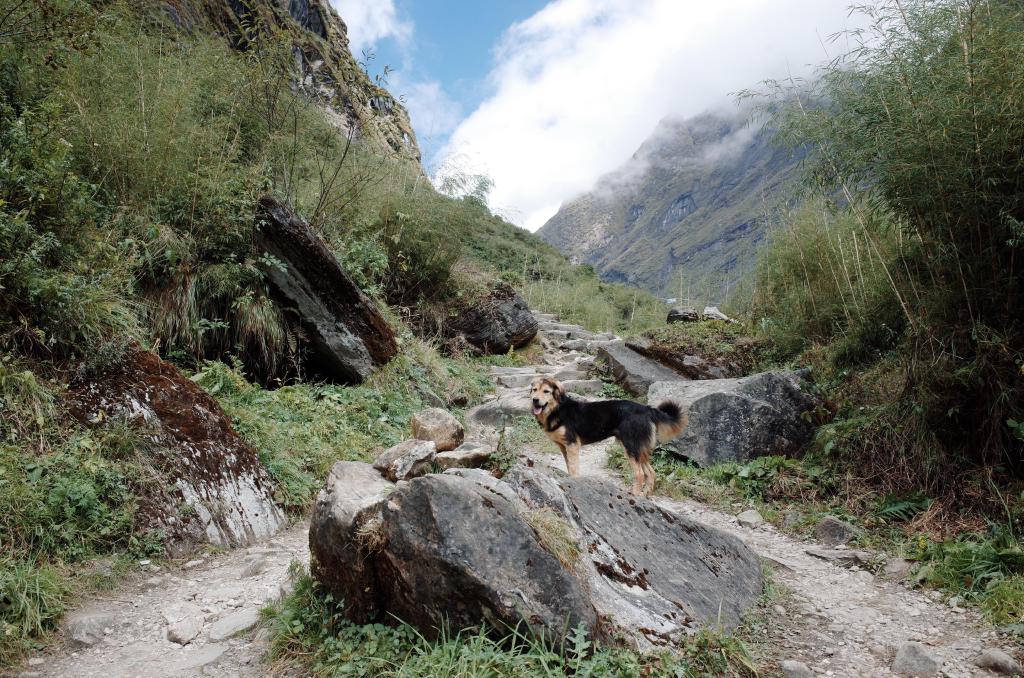
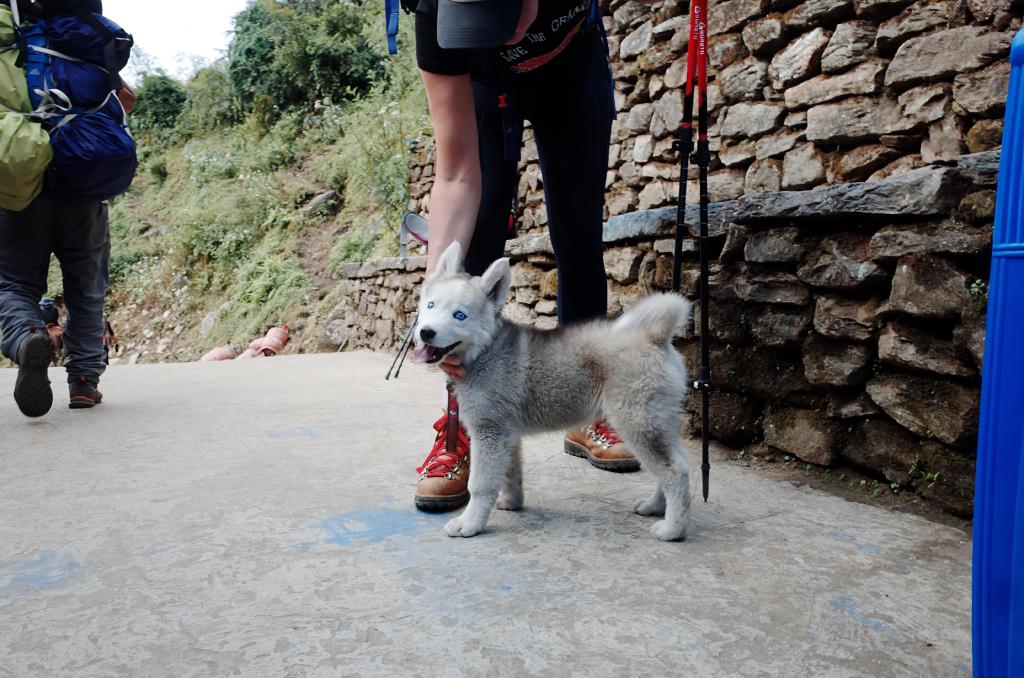
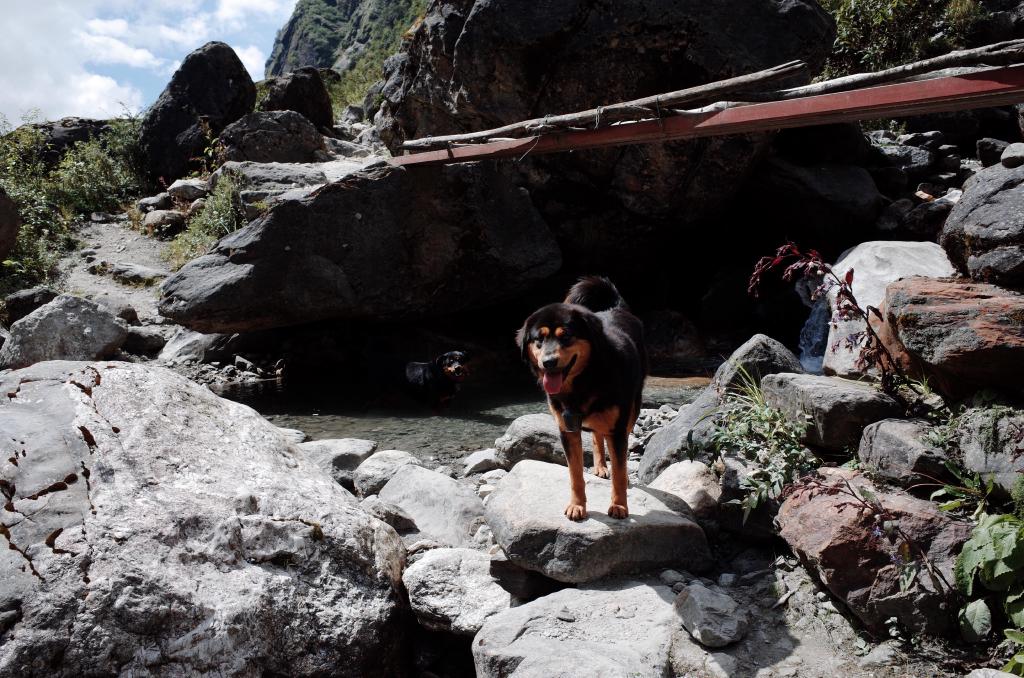 In the Annapurna Sanctuary region and other parts of the Himalayas, it is common to see goat herding dogs. These dogs are typically local breeds, such as the Himalayan Sheepdog or Tibetan Mastiff (pictured), which are used by herders to guard and protect livestock, including goats, from predators like snow leopards and wolves.
These goat herding dogs are highly valued for their ability to work in harsh, high-altitude environments, and they play a vital role in the livelihoods of the herders in this region.
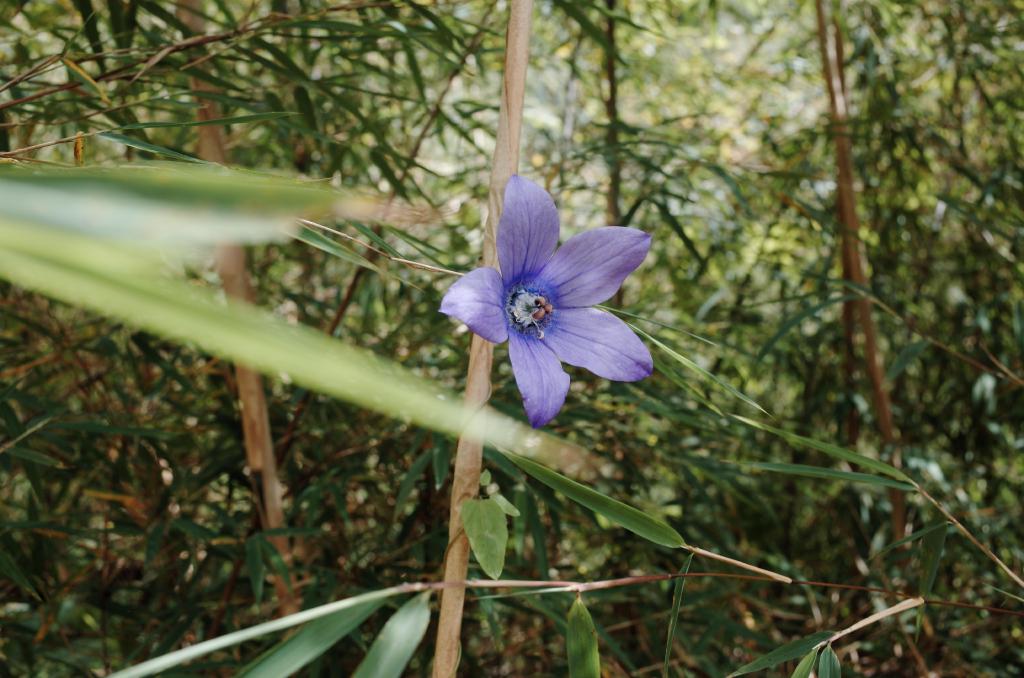 Codonopsis convolvulacea Kurz is a species of flowering plant belonging to the Campanulaceae family. It is native to parts of Asia, including regions like the Himalayas, China, and Southeast Asia. This plant is a climbing or twining herb.
In traditional medicine, Codonopsis convolvulacea and related species are sometimes used in herbal remedies, particularly in Chinese and Tibetan medicine, where they are believed to support digestion, boost energy levels, and improve overall vitality.
The plant prefers temperate climates and is typically found growing in forests, mountain slopes, and along streams at higher altitudes. It is relatively hardy and can tolerate a variety of growing conditions, provided it has adequate moisture and partial shade.
Its roots may resemble those of Codonopsis pilosula, another well-known medicinal plant commonly called “poor man’s ginseng,” used in similar ways in traditional Chinese medicine.
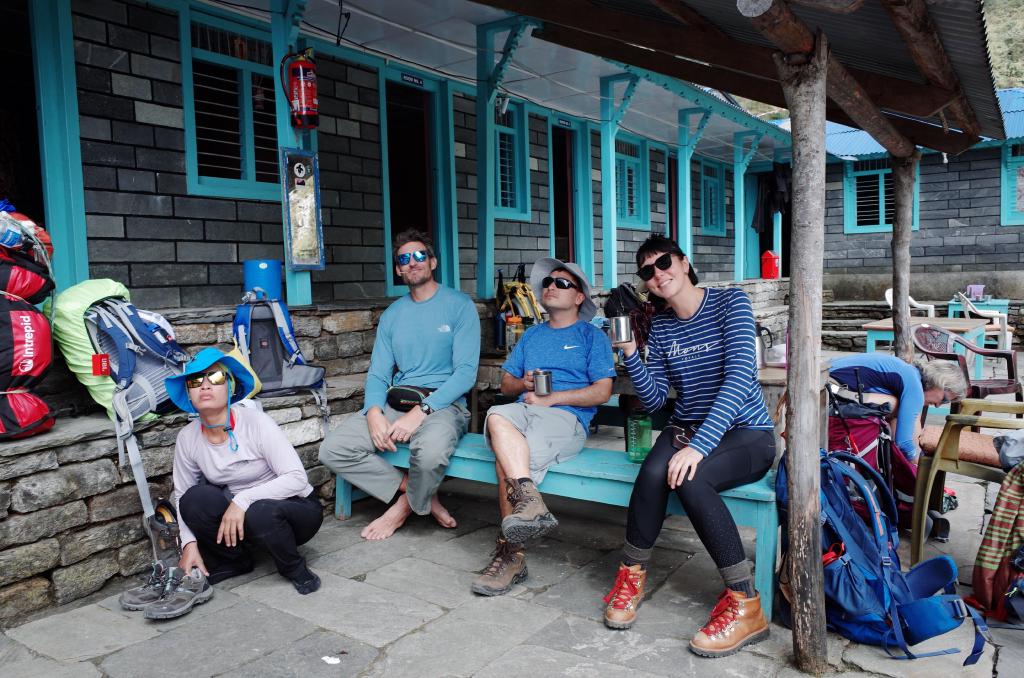
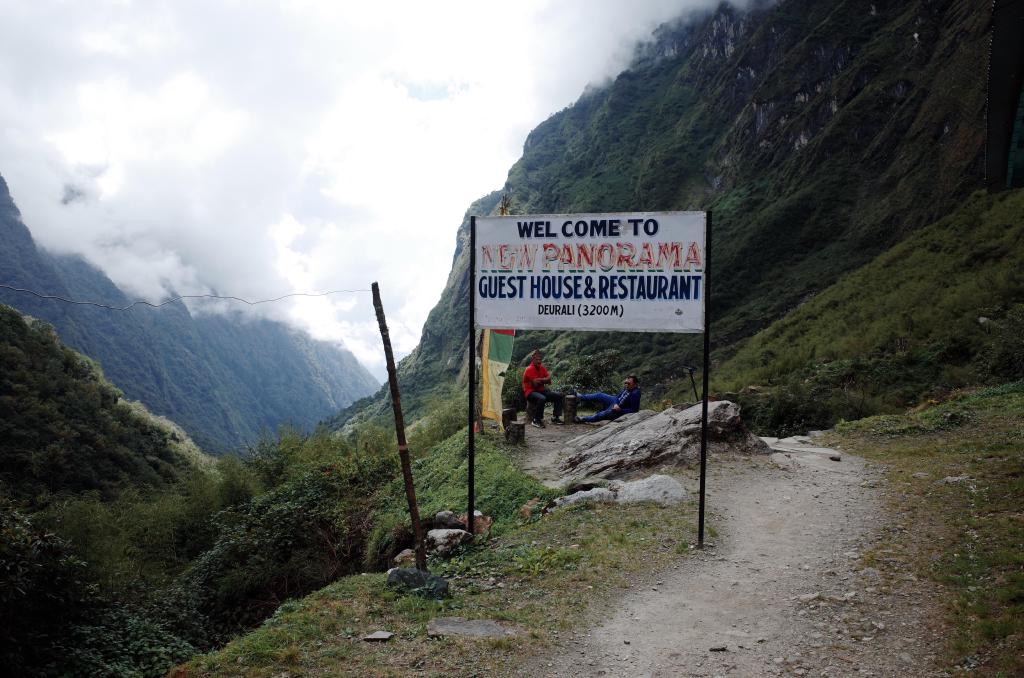
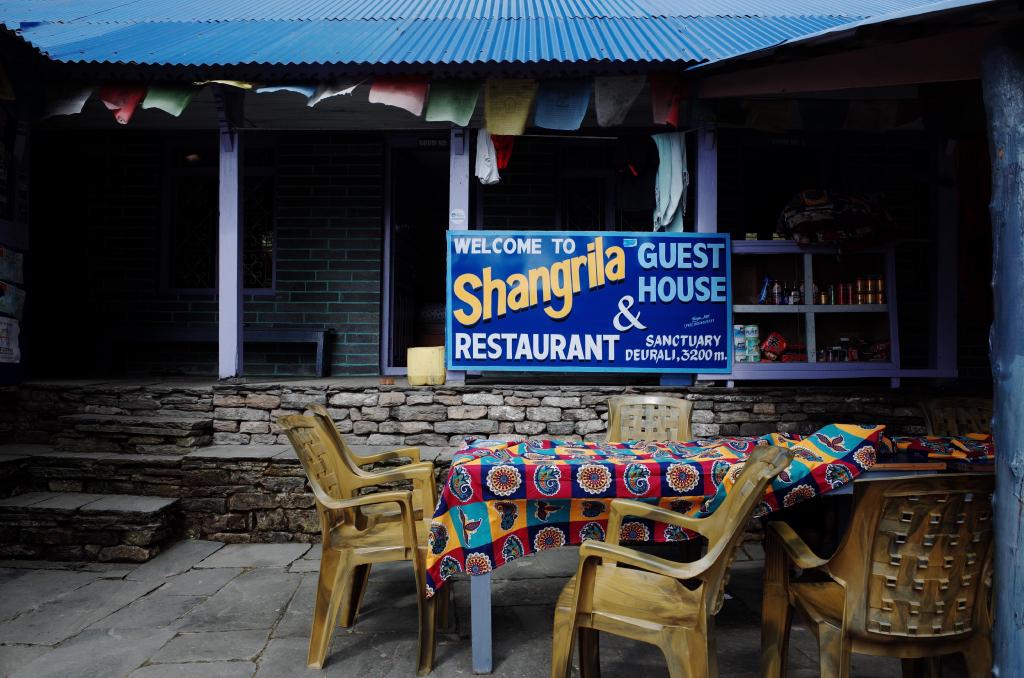
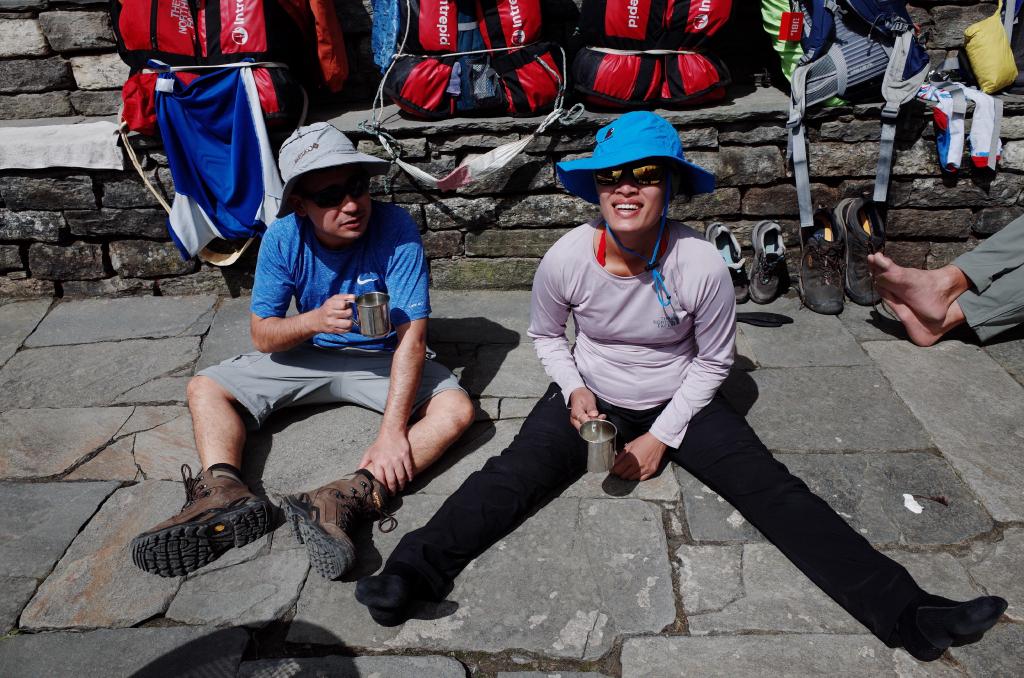 Tea break in Deurali.
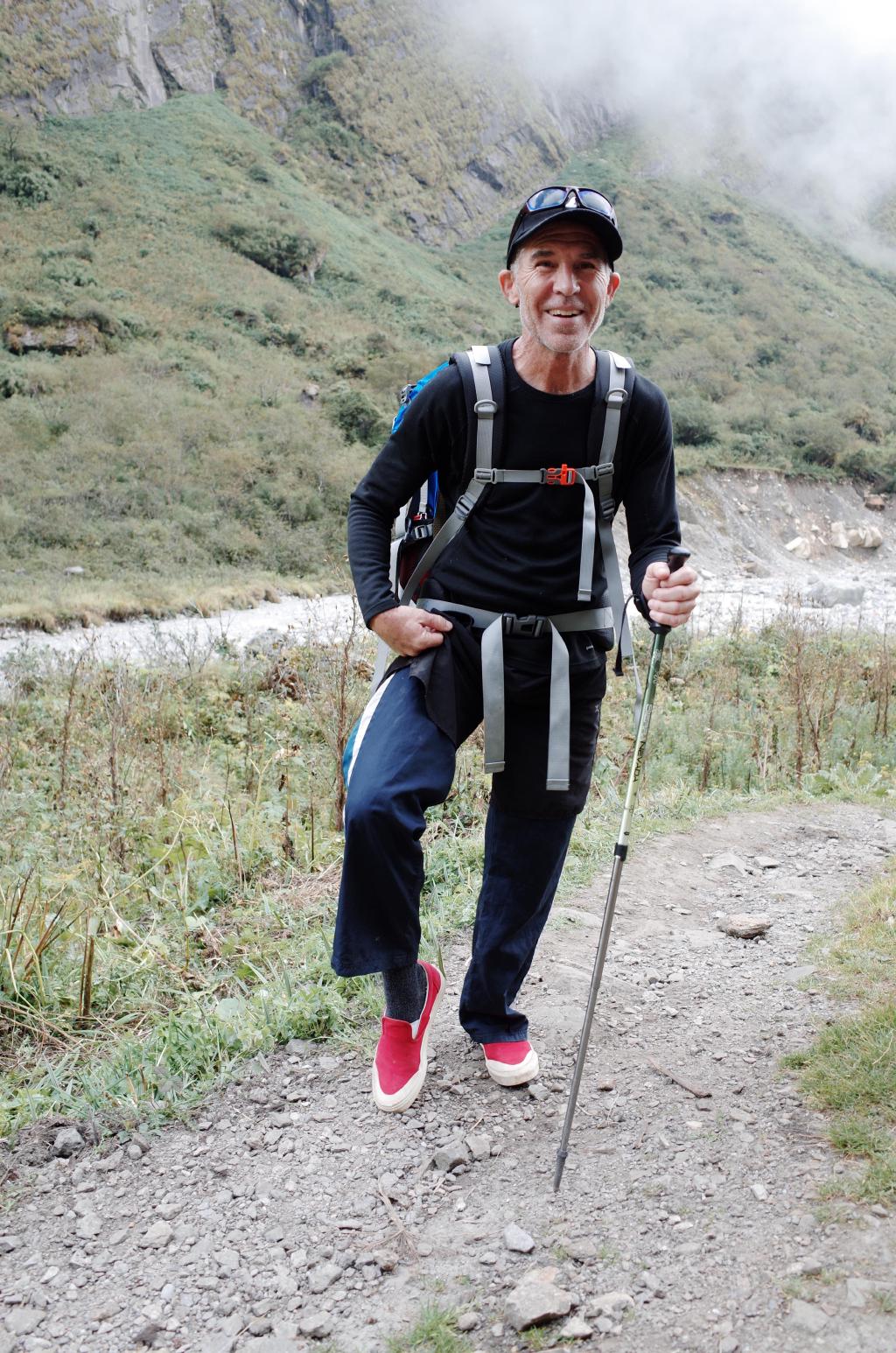 Mark advertising for Vans.
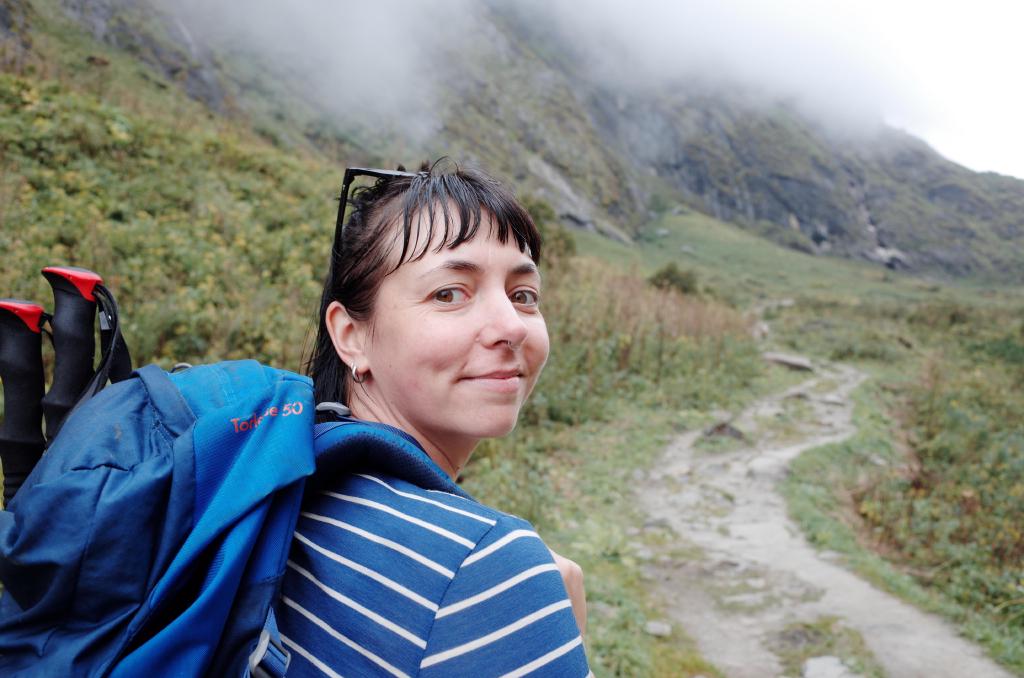
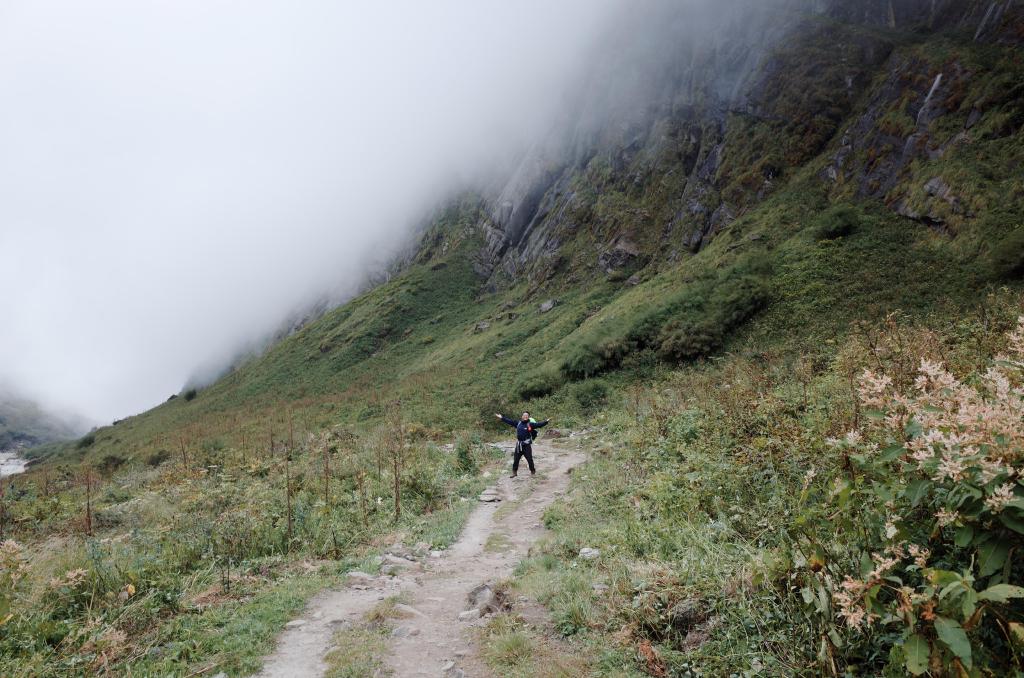 End of Day 3 near MBC; 12.21 km; 1202 m ele gain; 4 h 39 m.
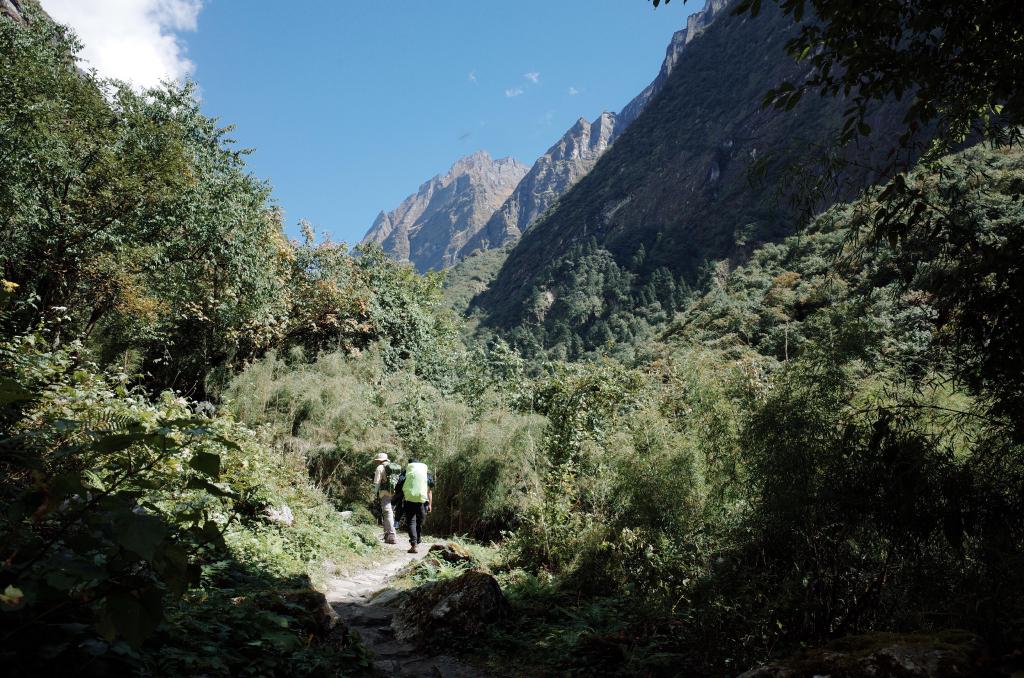
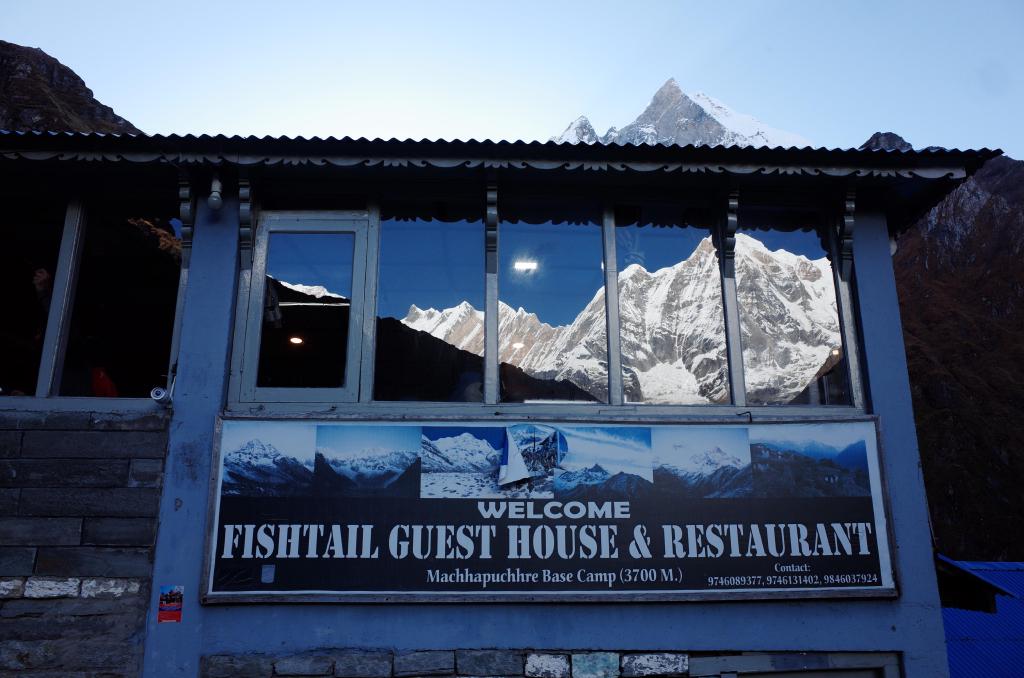 Start of Day 4: MBC to ABC.
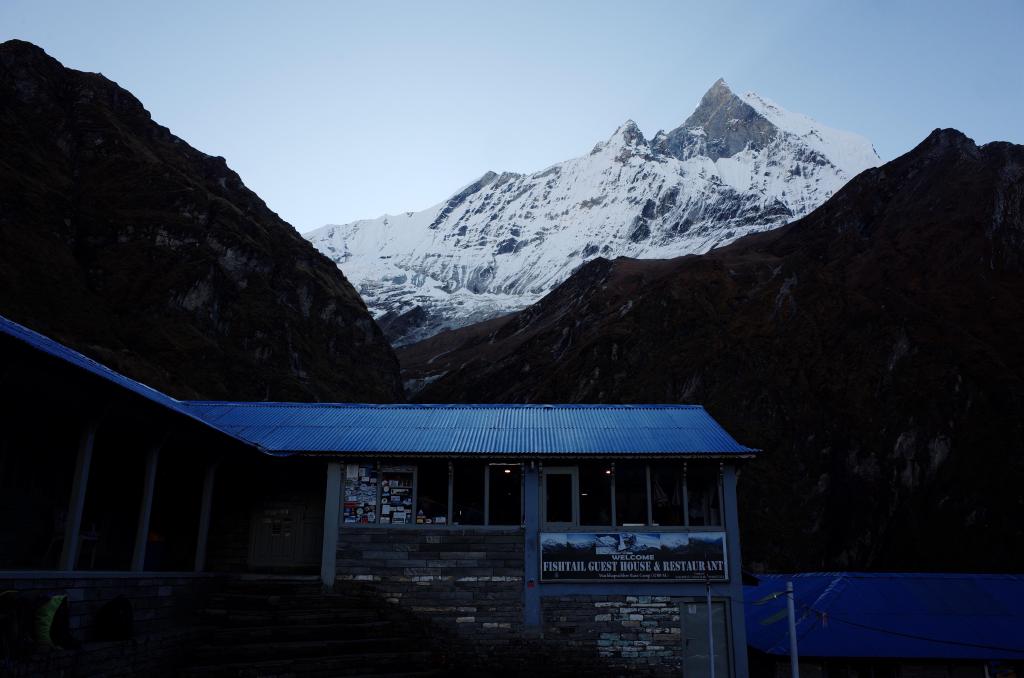
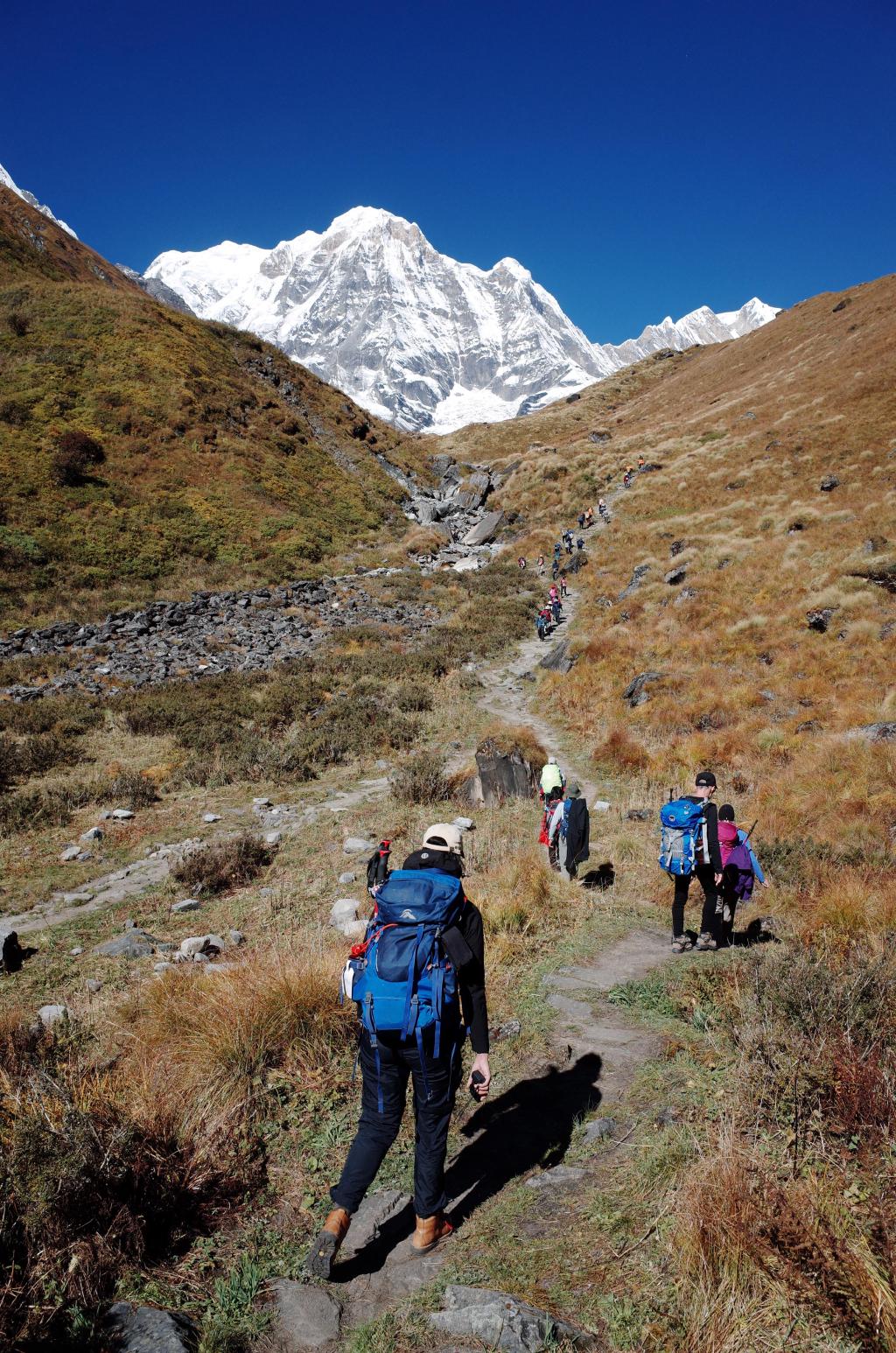
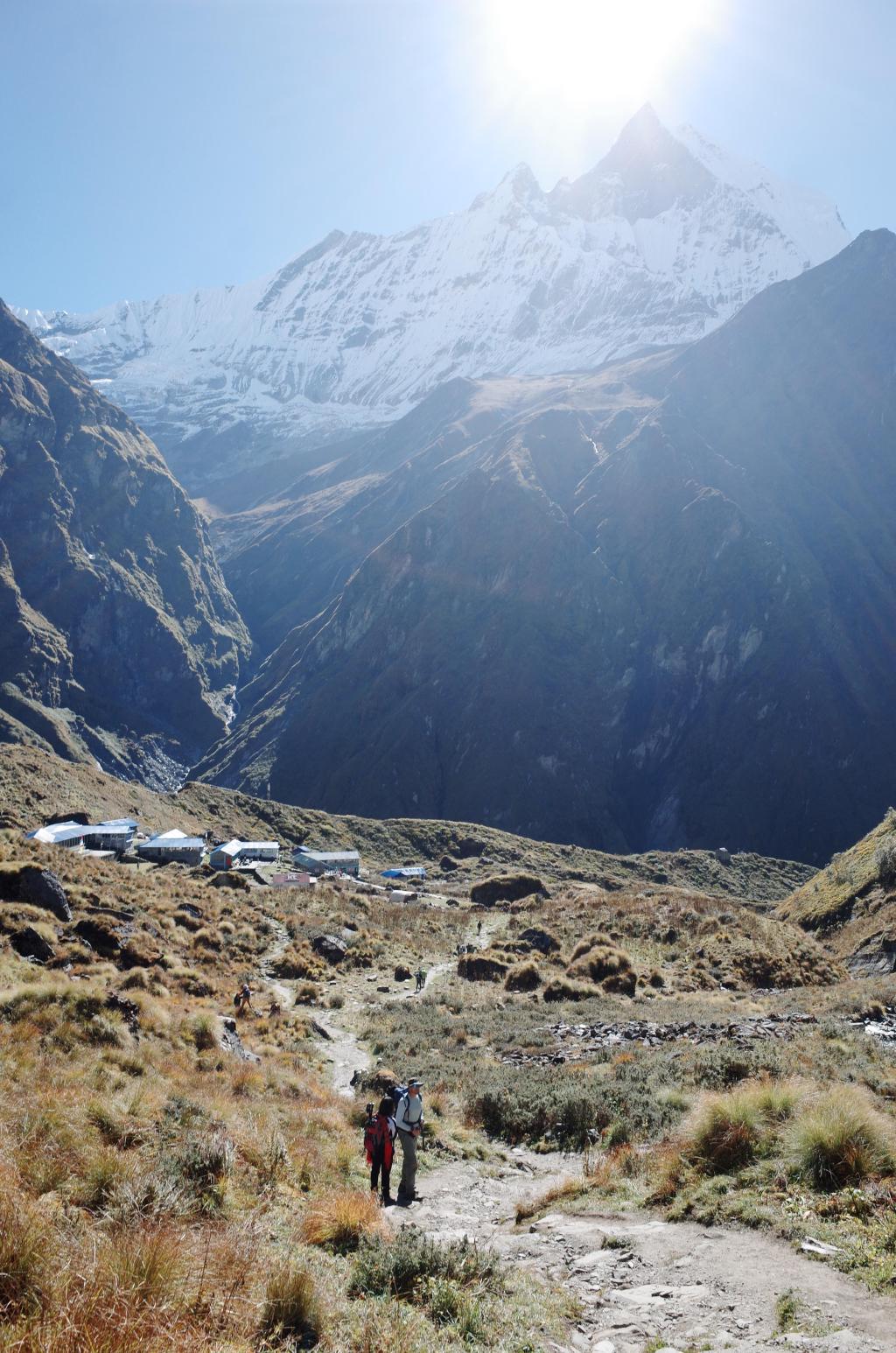
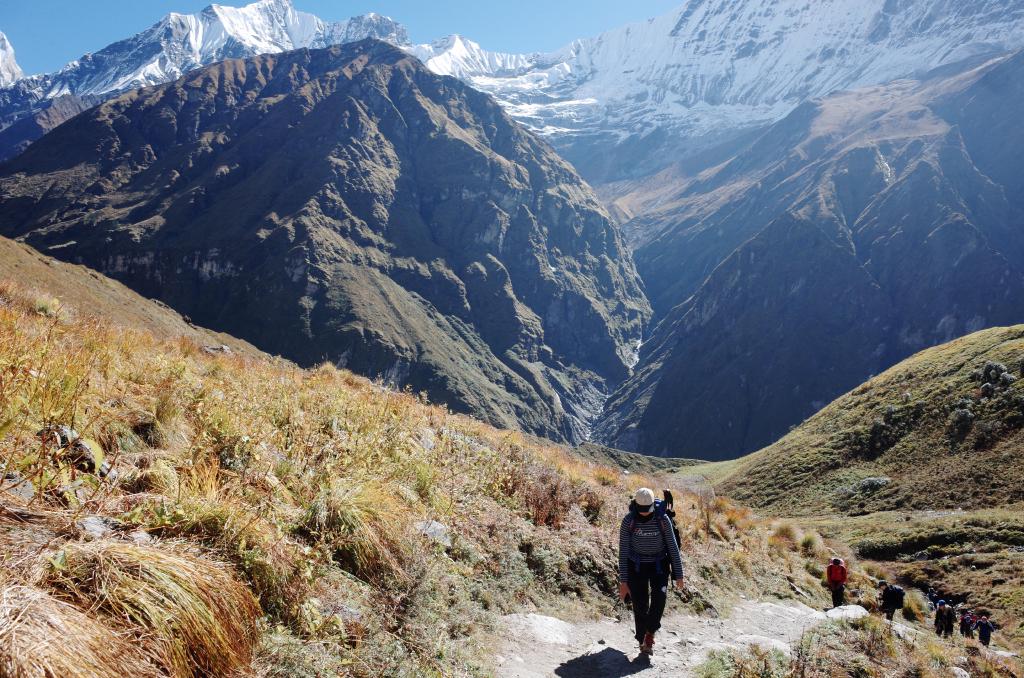
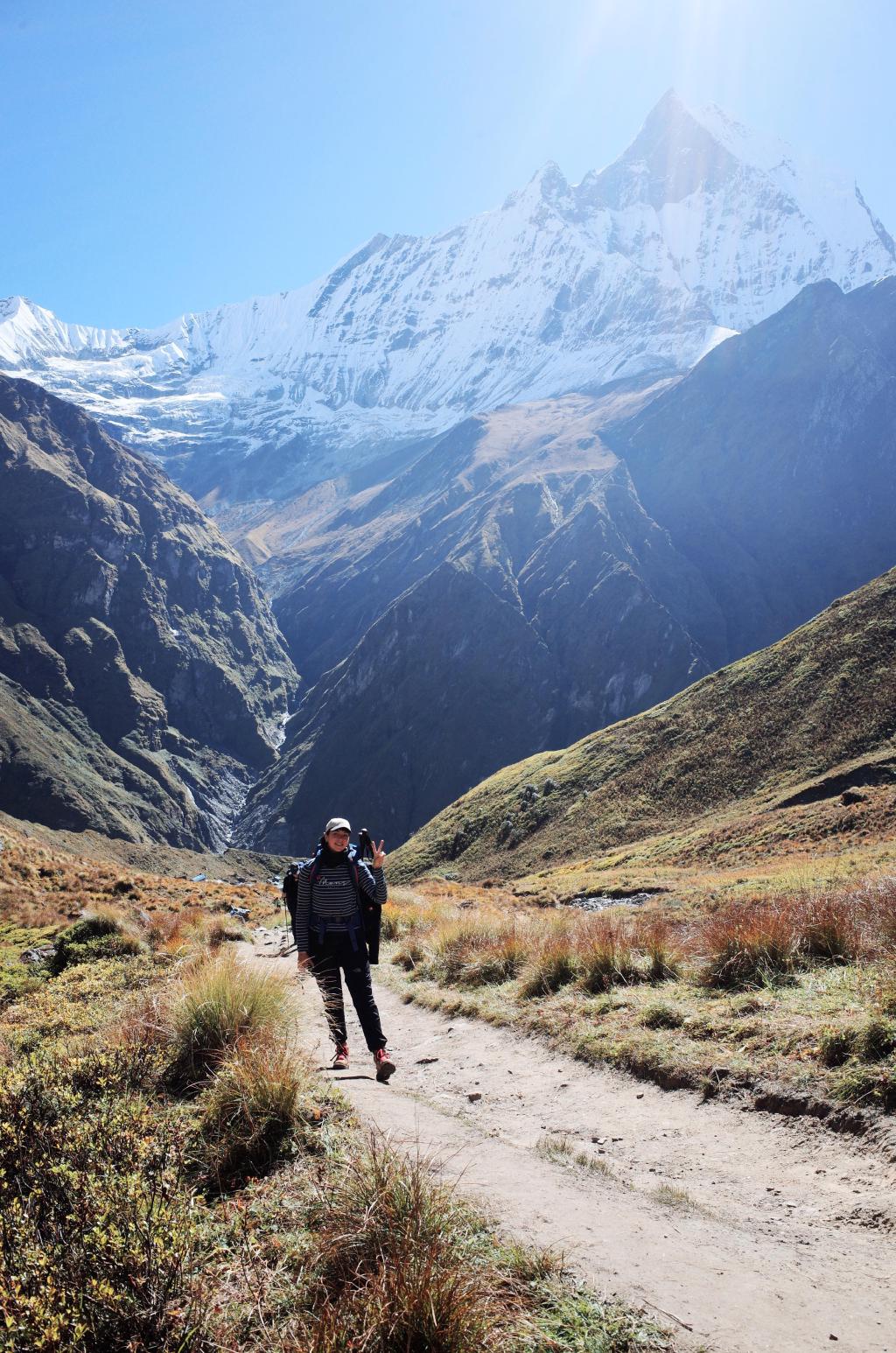
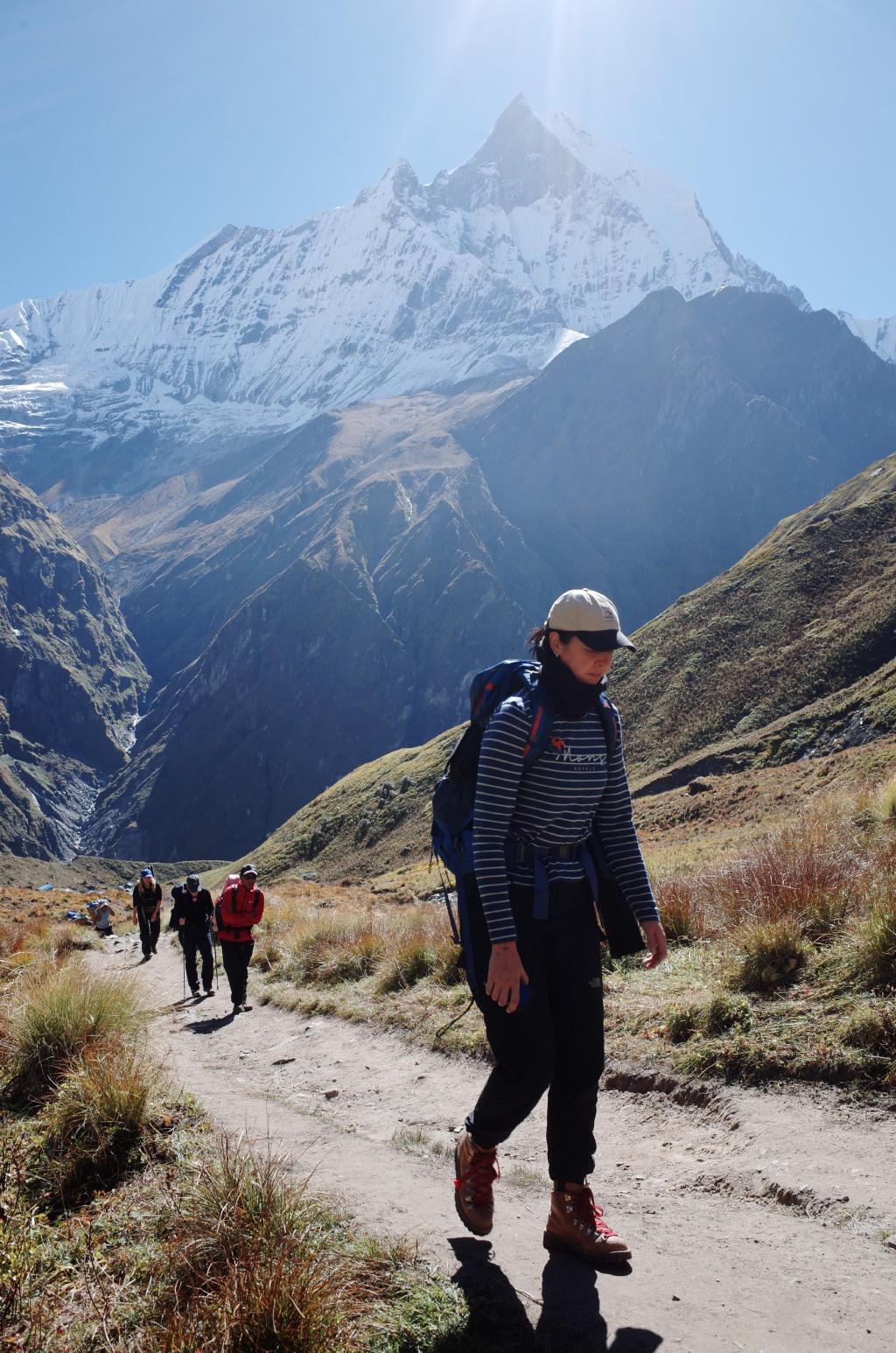
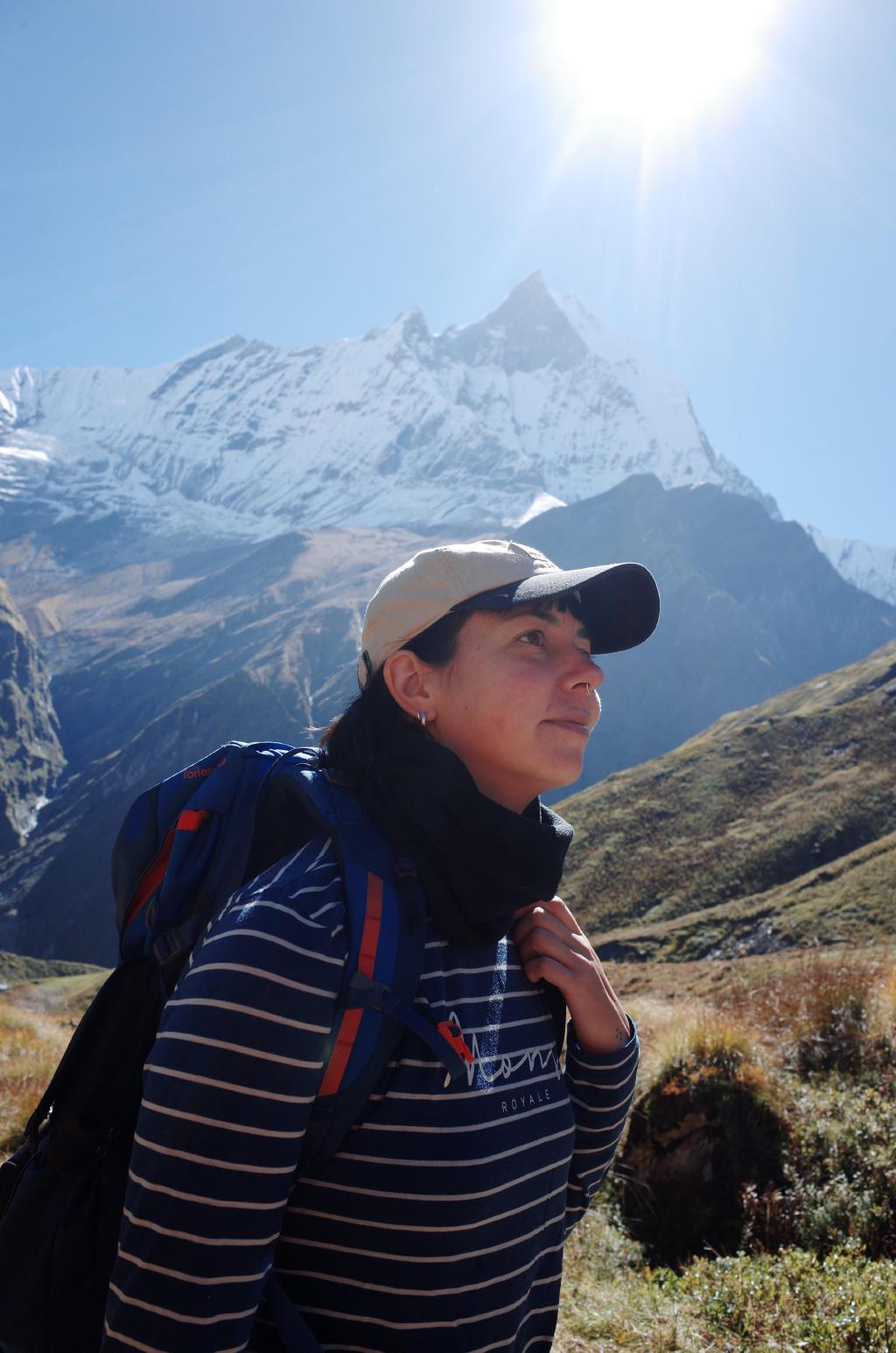
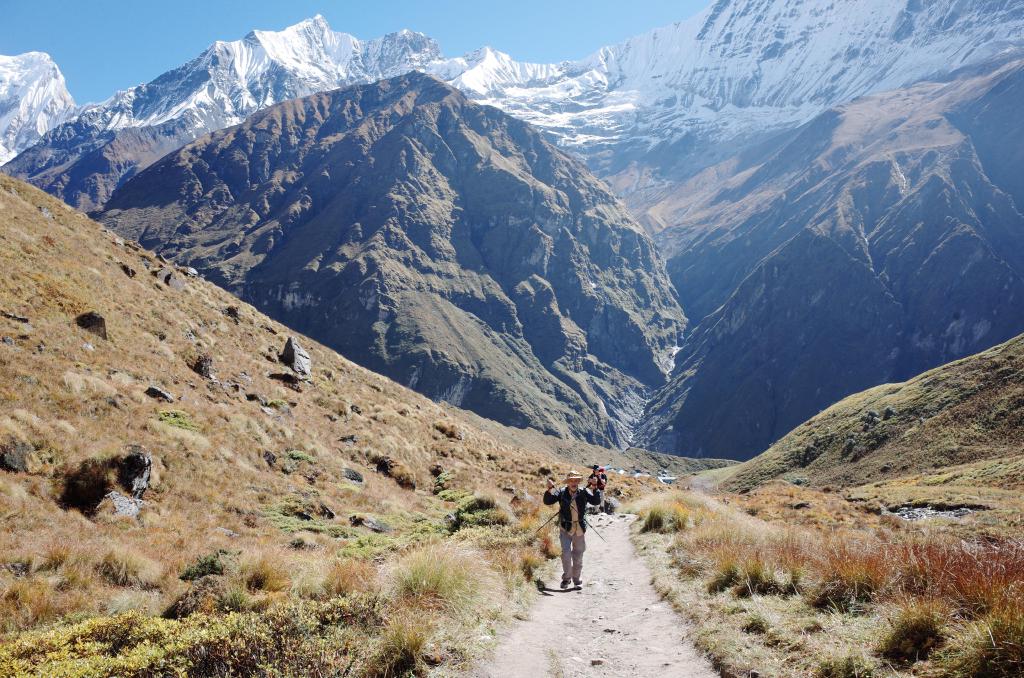
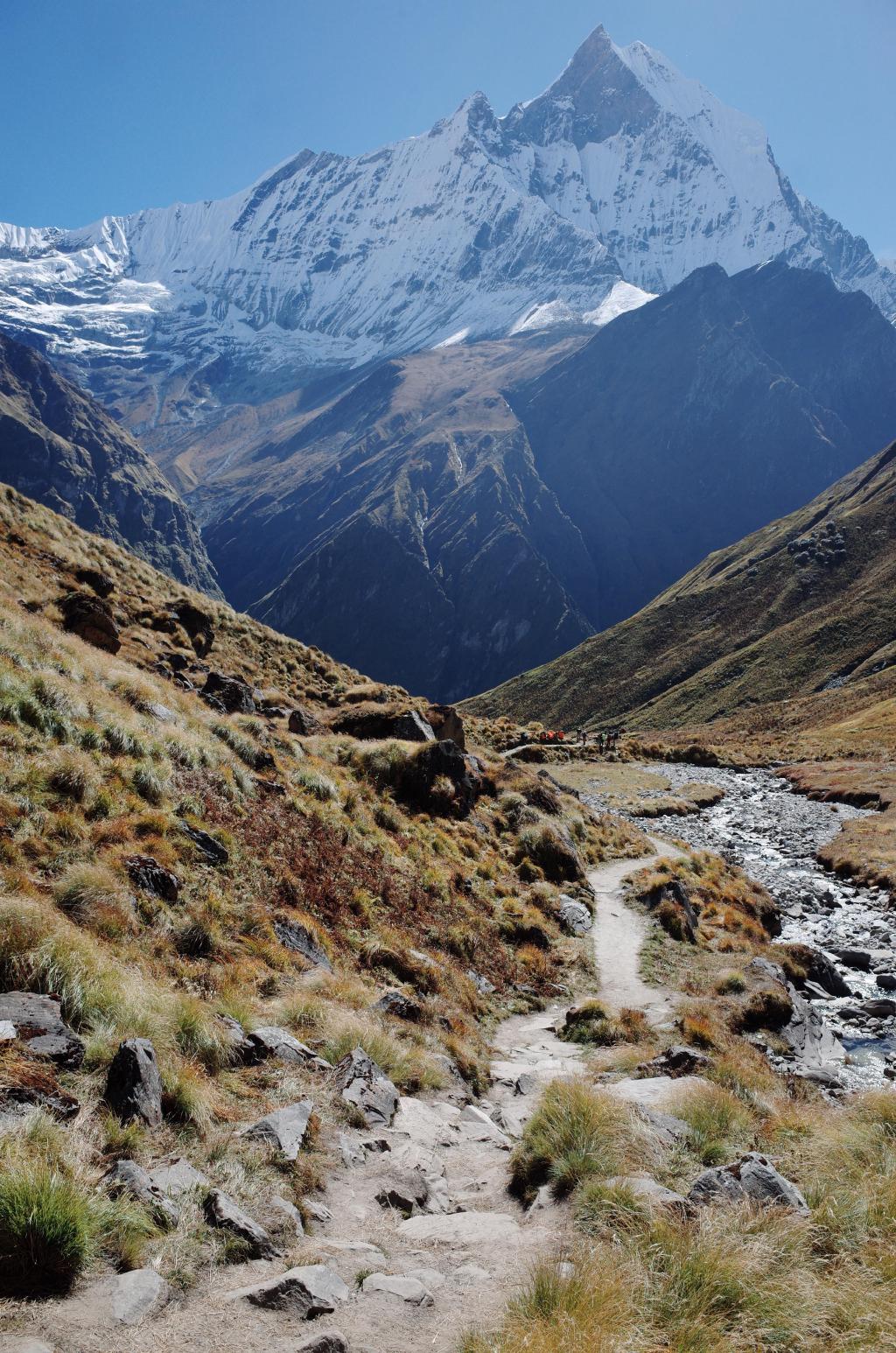
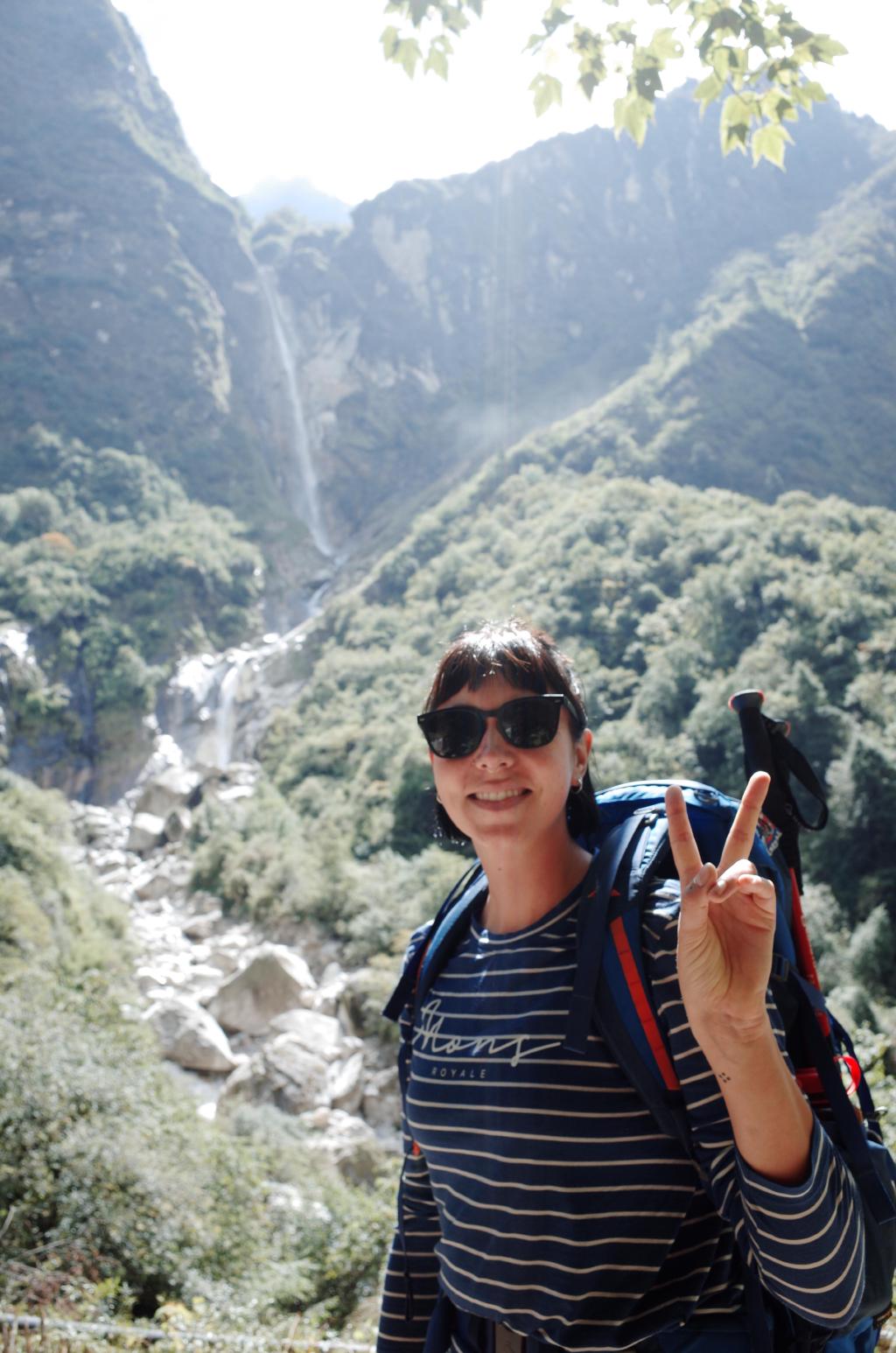
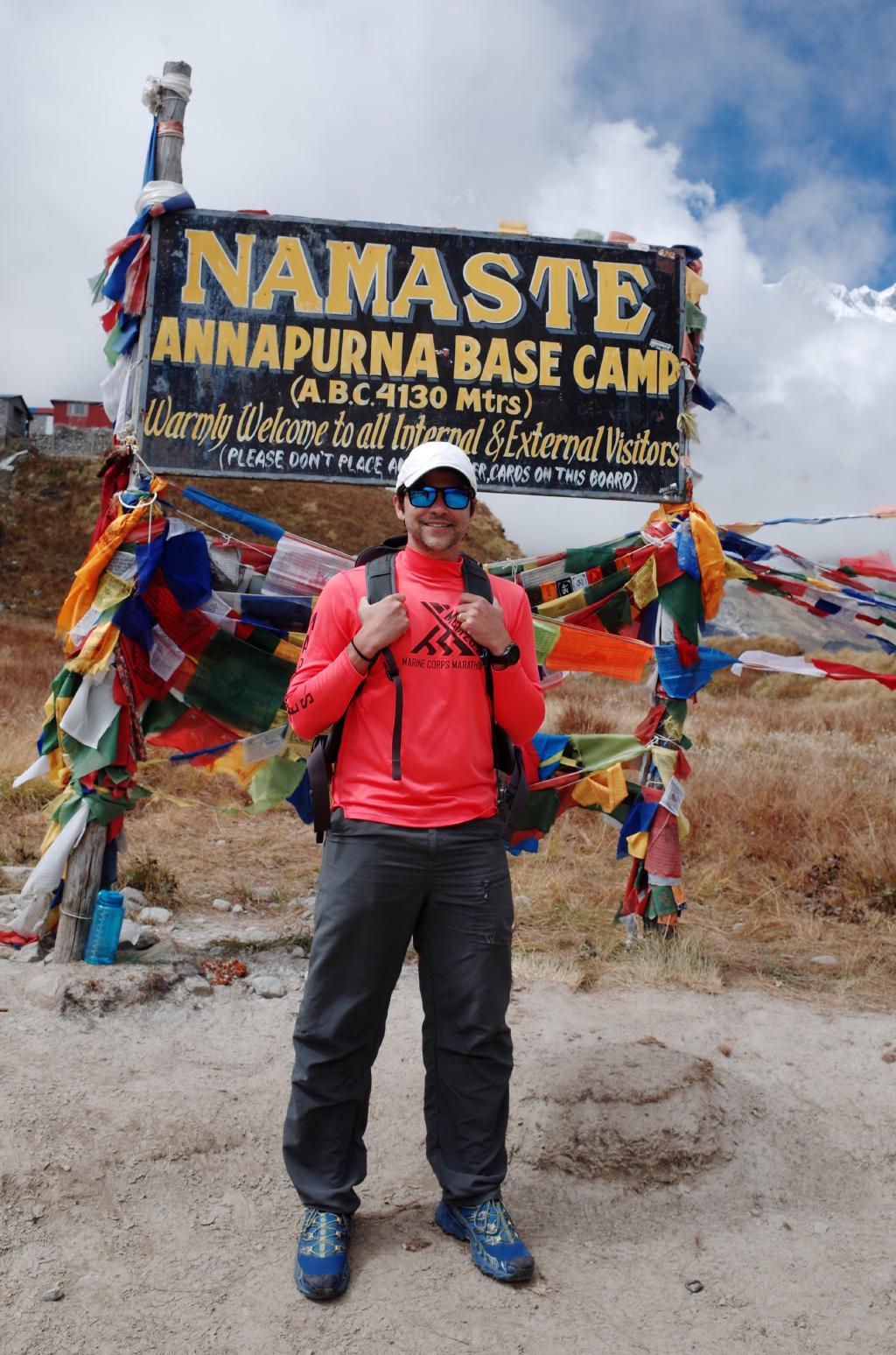
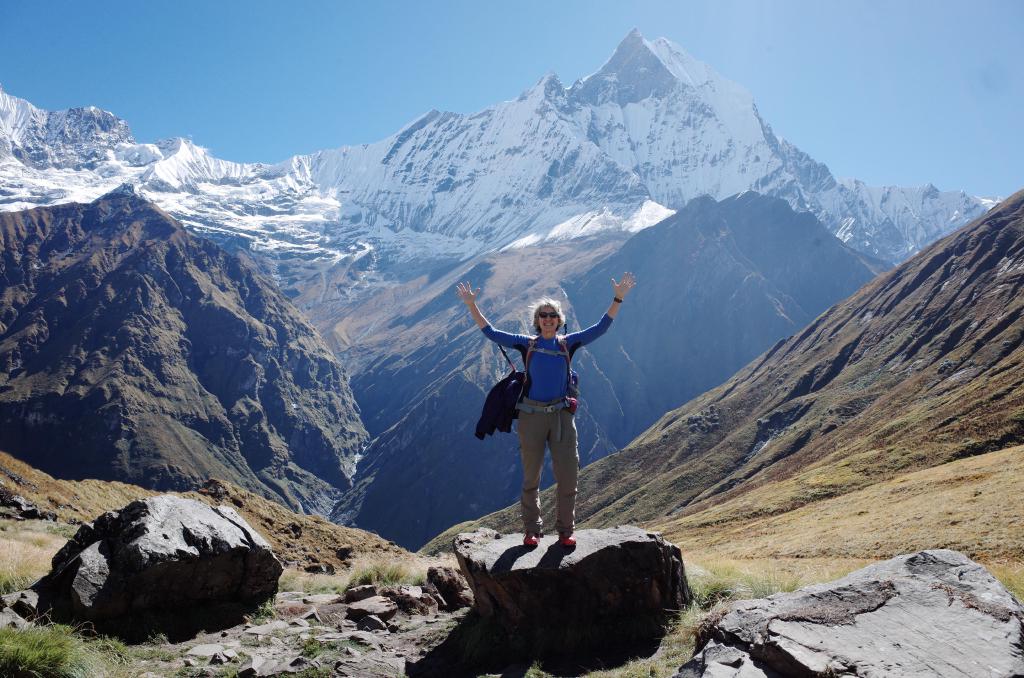 Audrey celebrates near basecamp.
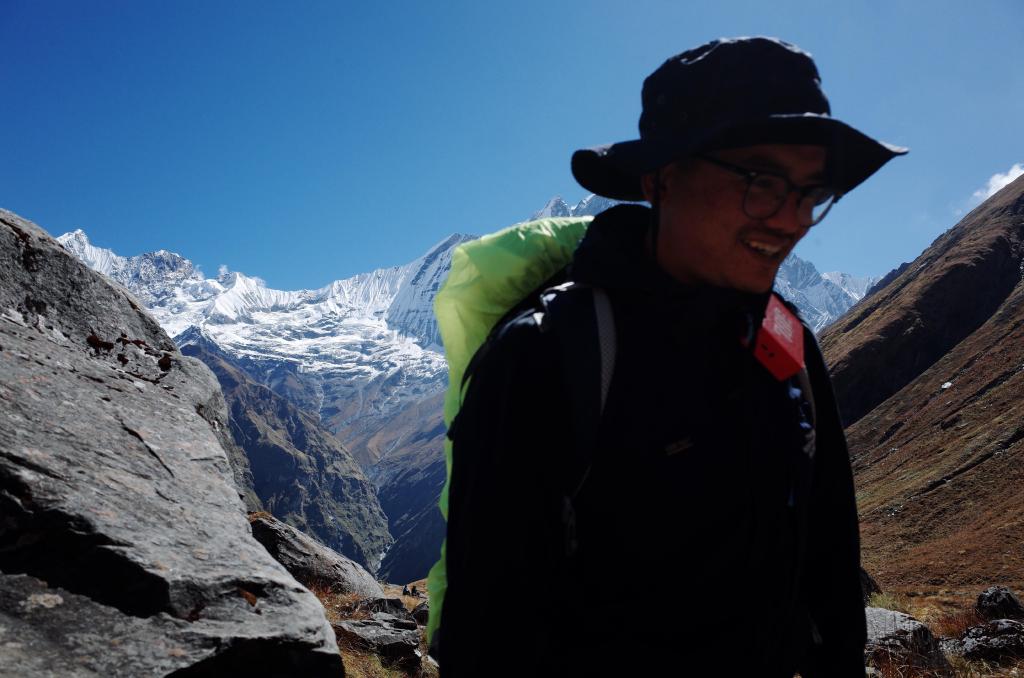 Our fearless leader Furba bhai.
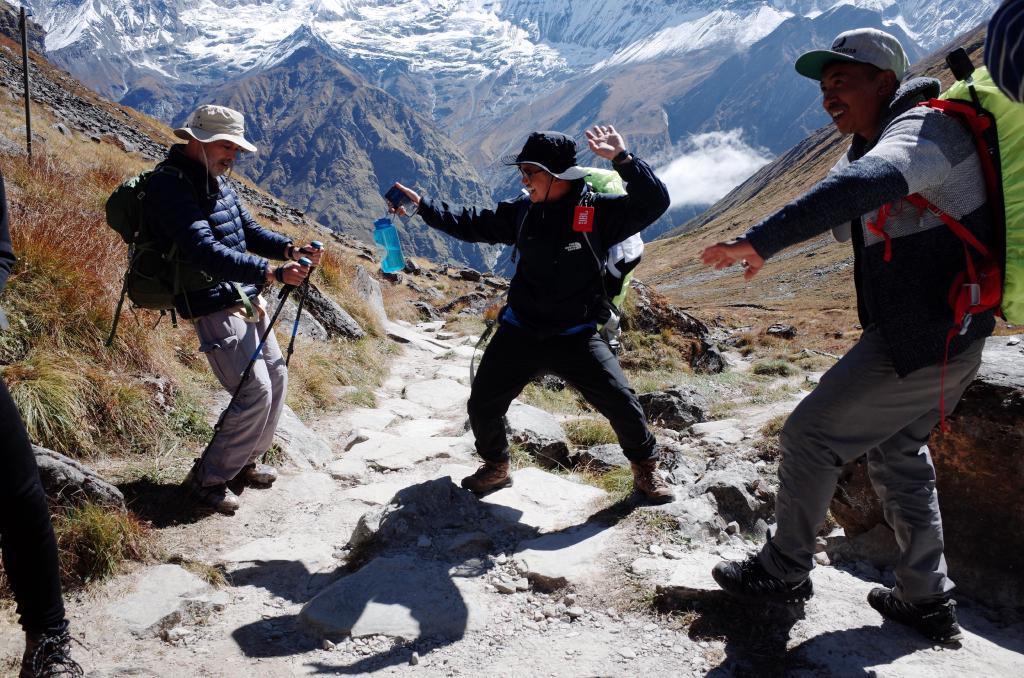
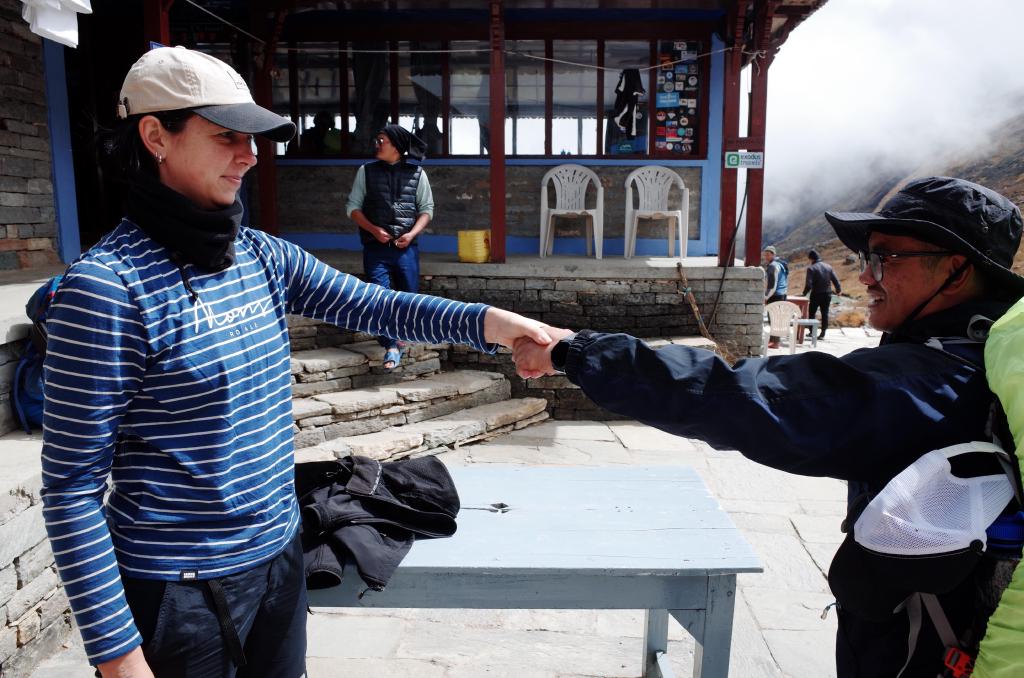
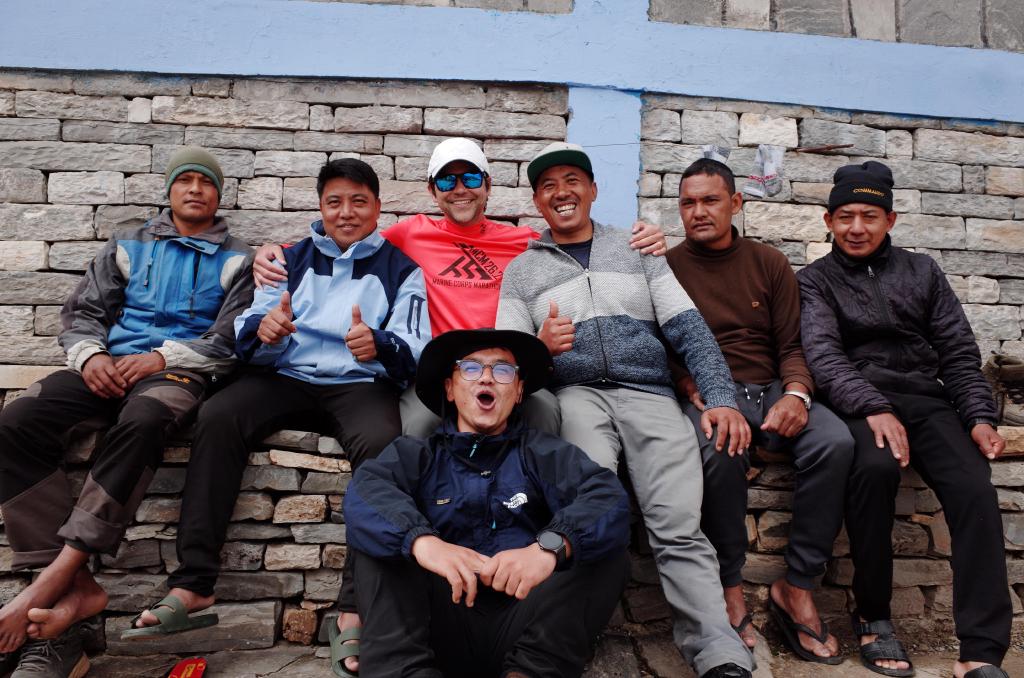 The amazing porter, captain, and guide team!
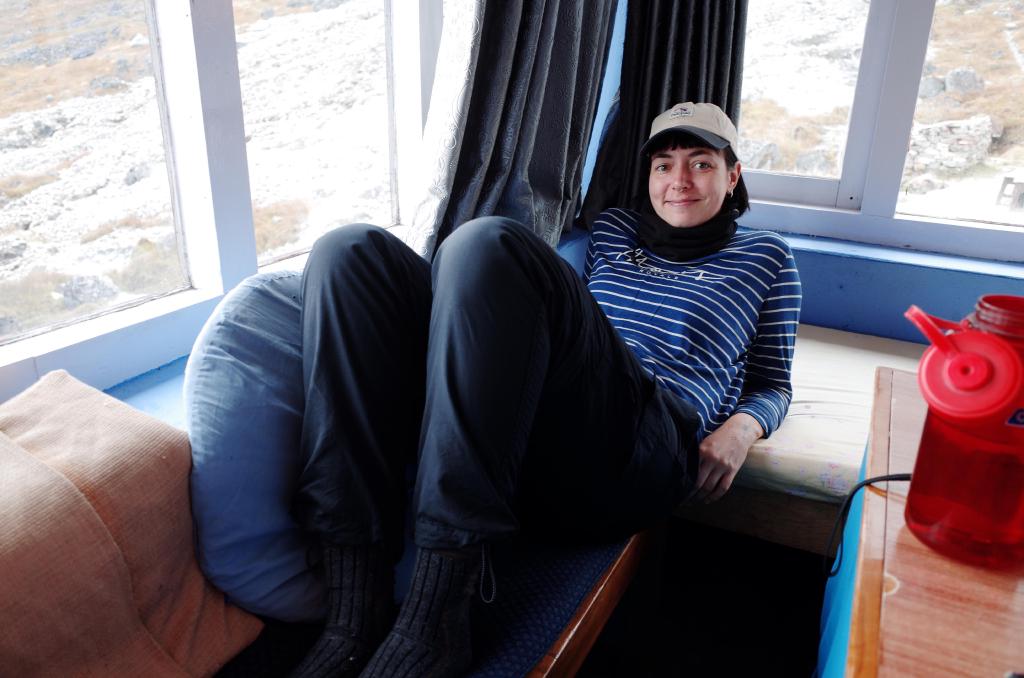
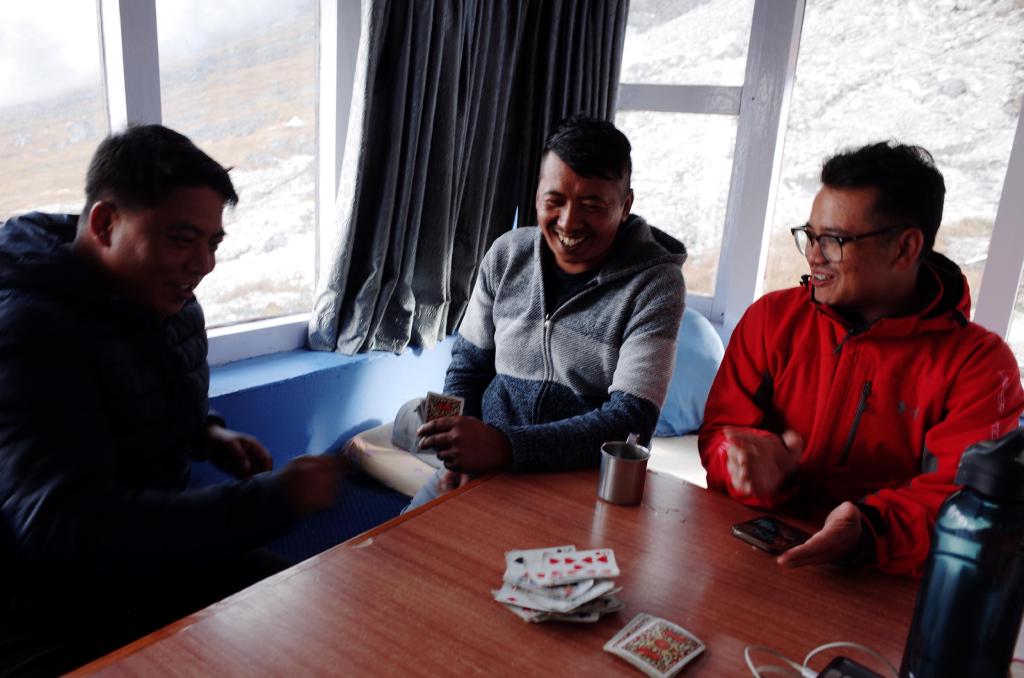
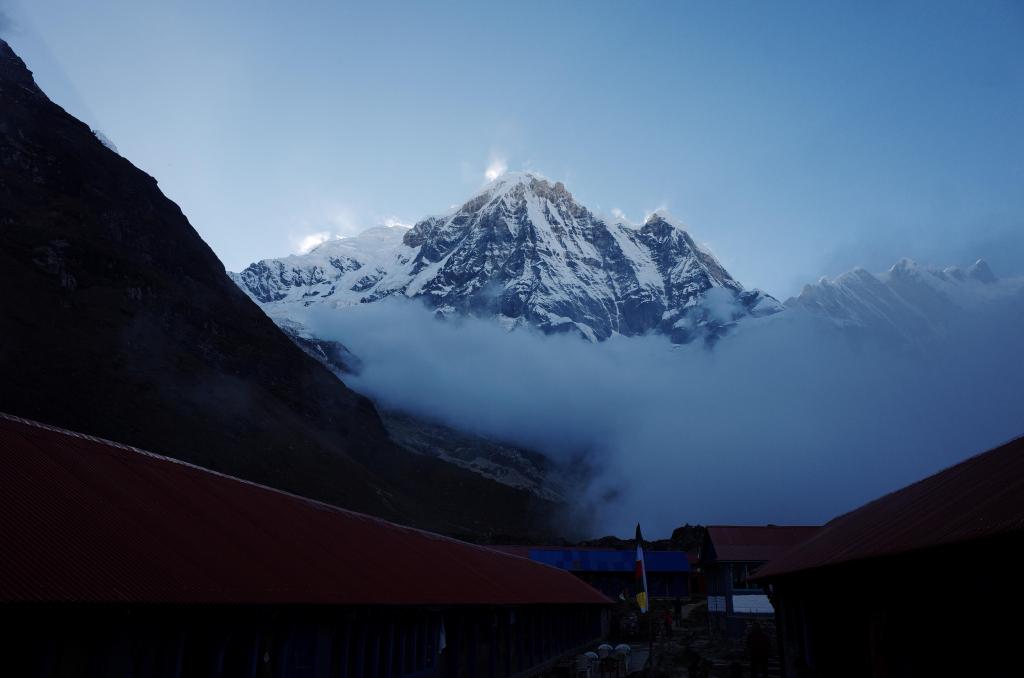
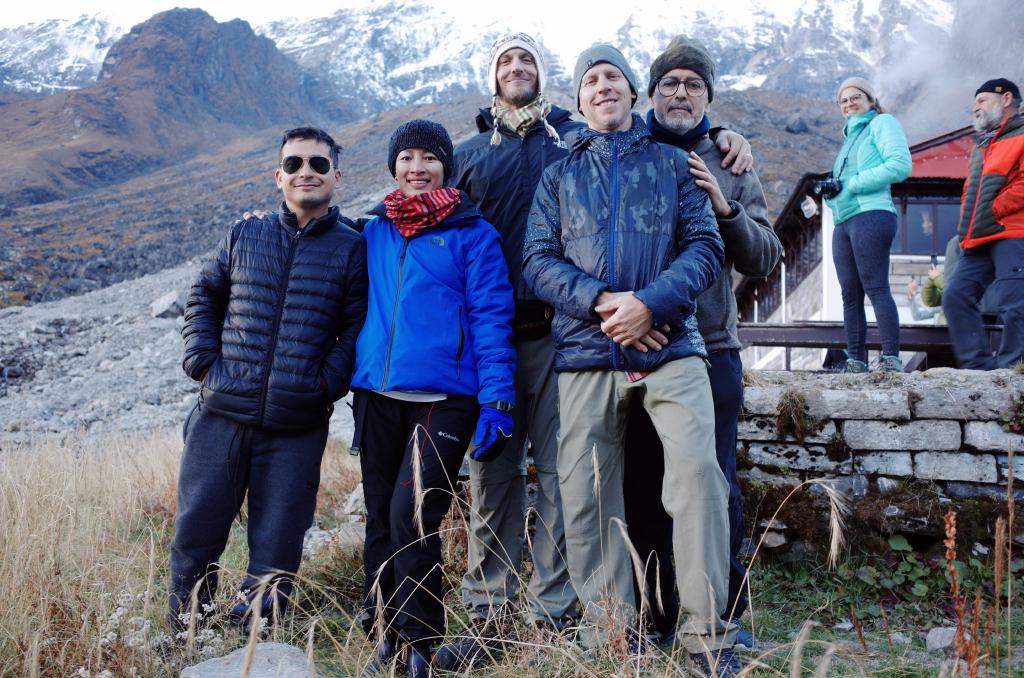 End of Day 4 at ABC; 3.88 km; 385 m ele gain; 1 h 24 m.
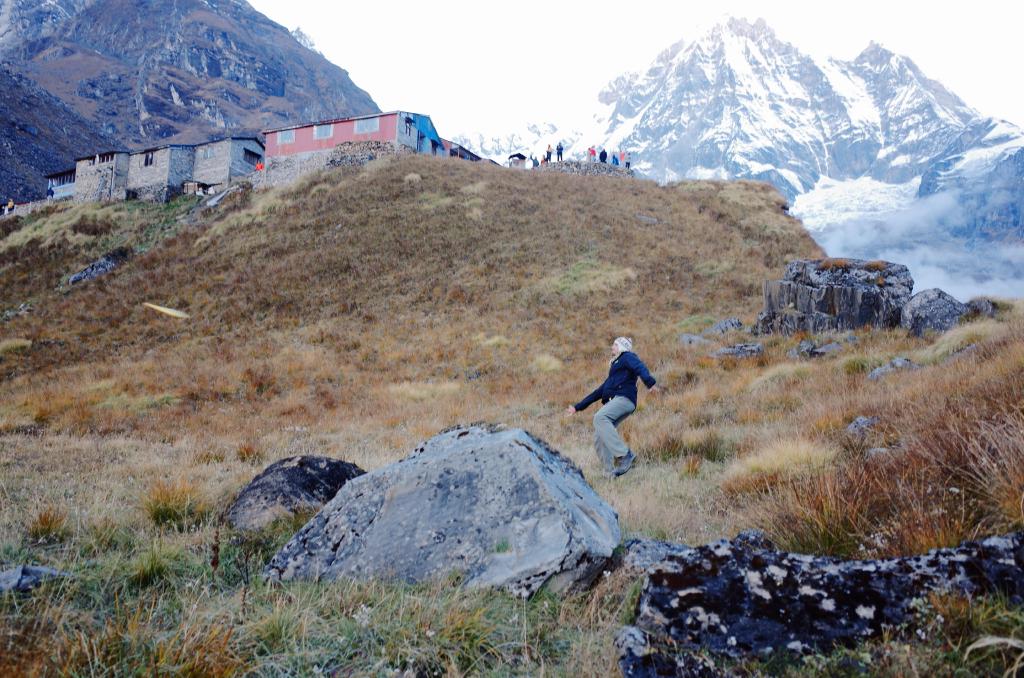 Frisbee in the Annapurna amphitheater.
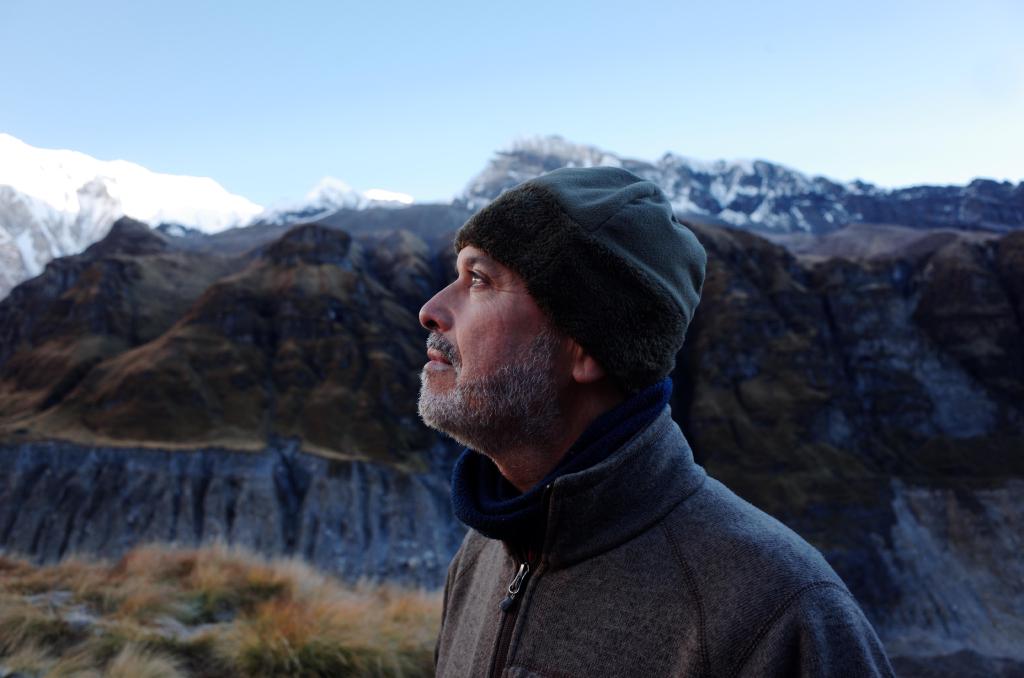 ABC sunrise.
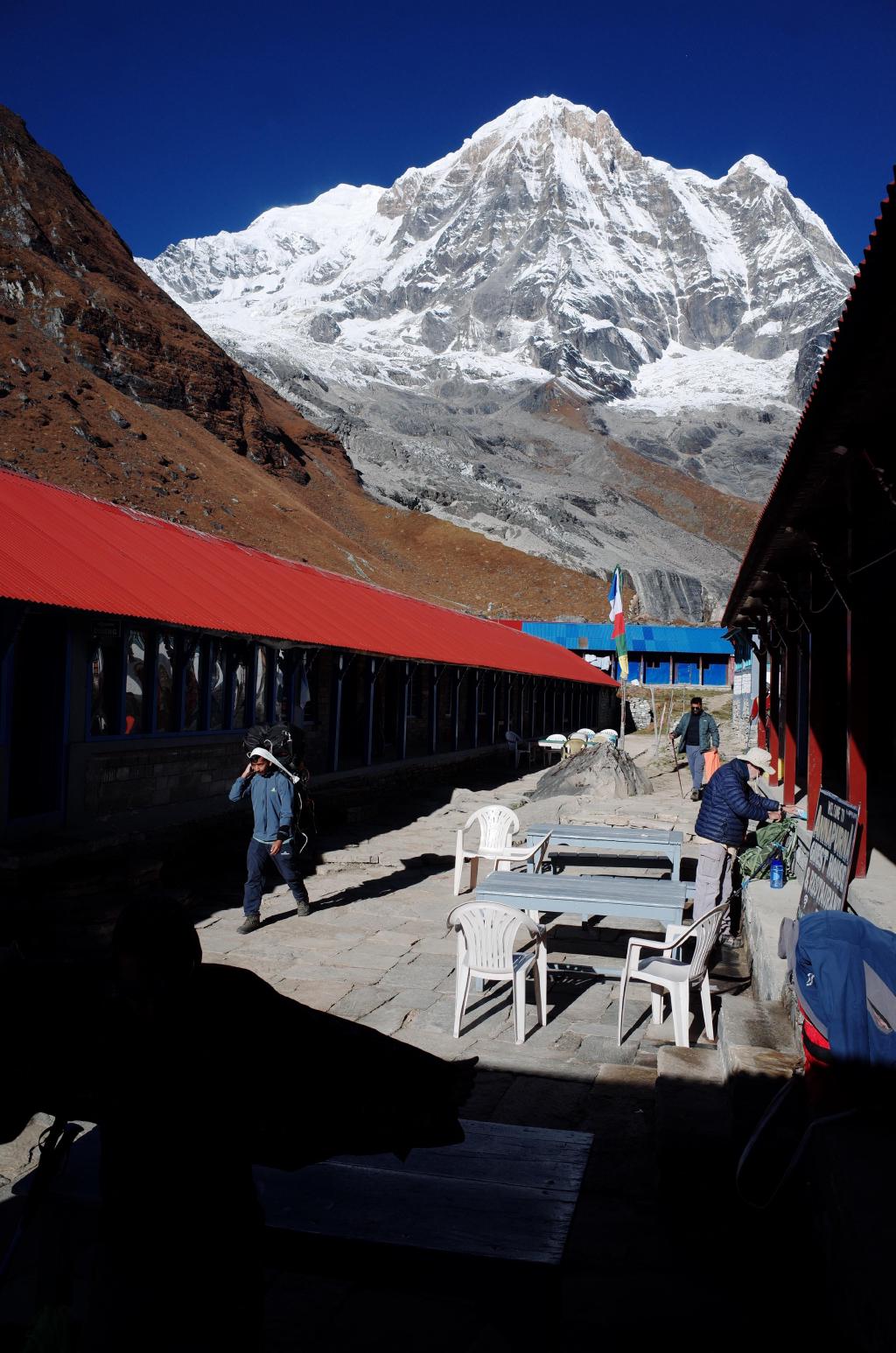
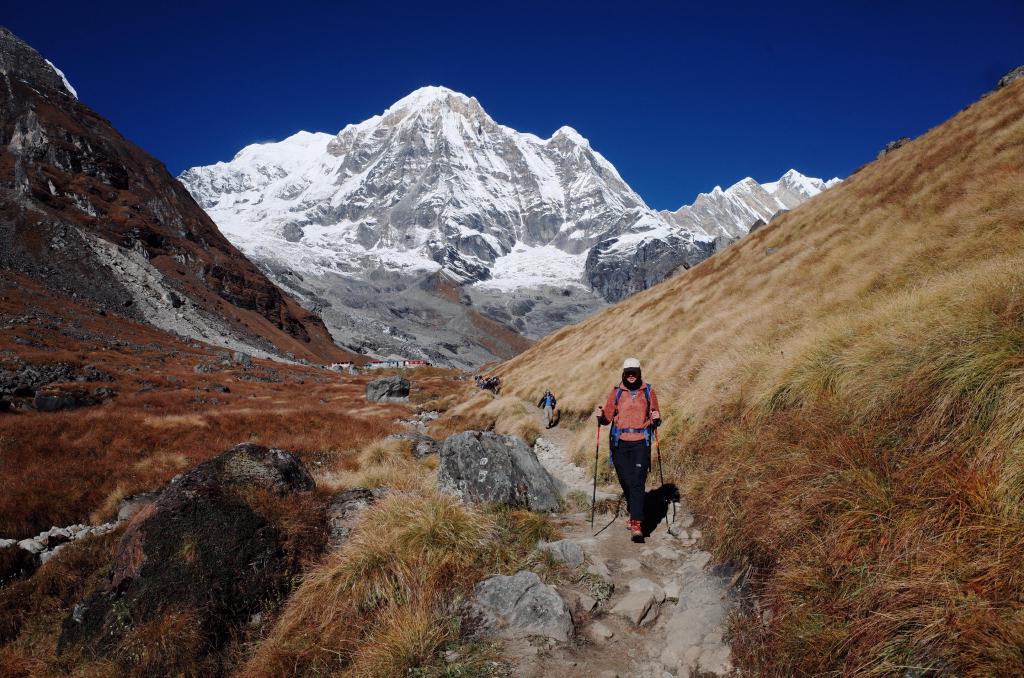 Start of Day 5: ABC to Sinuwa.
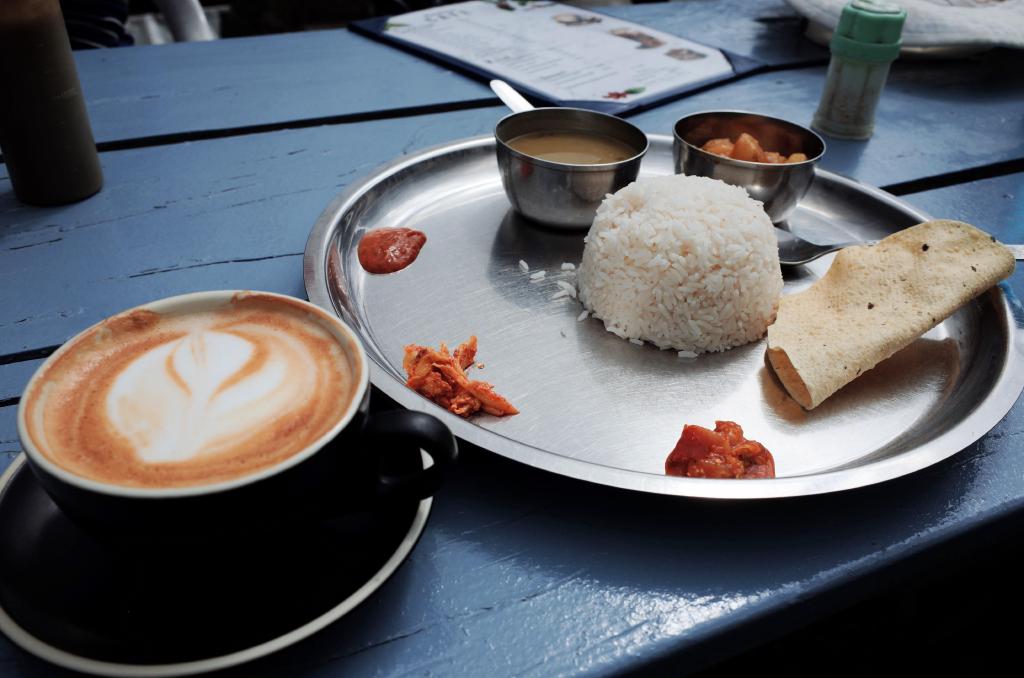 Dal bhat with double cappuccino.
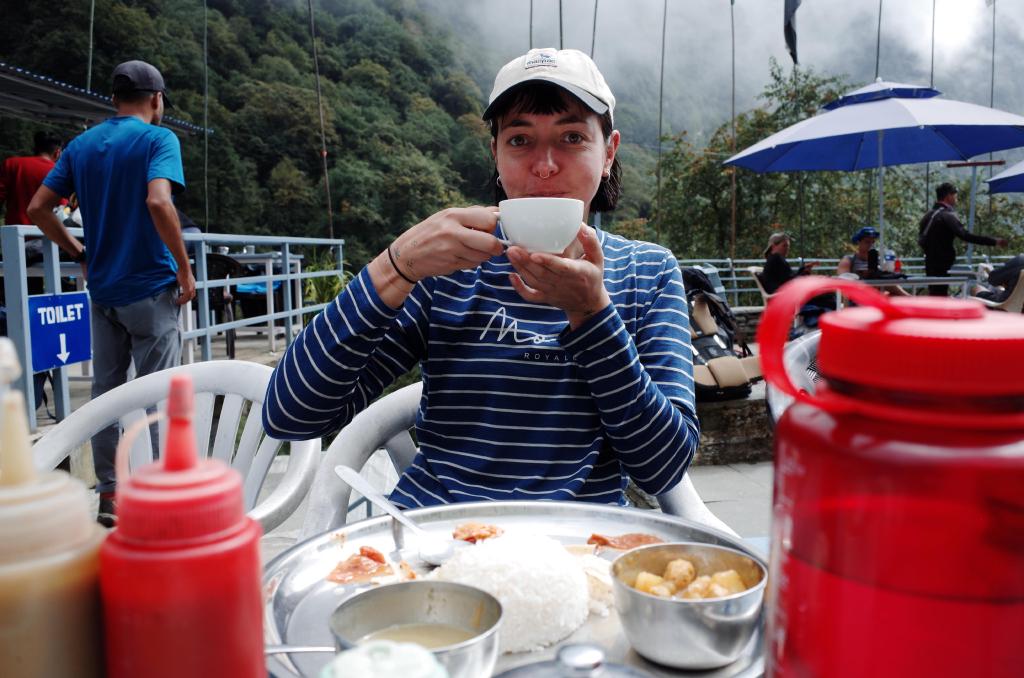 Lunch at Himalaya.
Day 5 ended in Dhoban; 18.45 km; 356 m ele gain; 6 h 18 m.
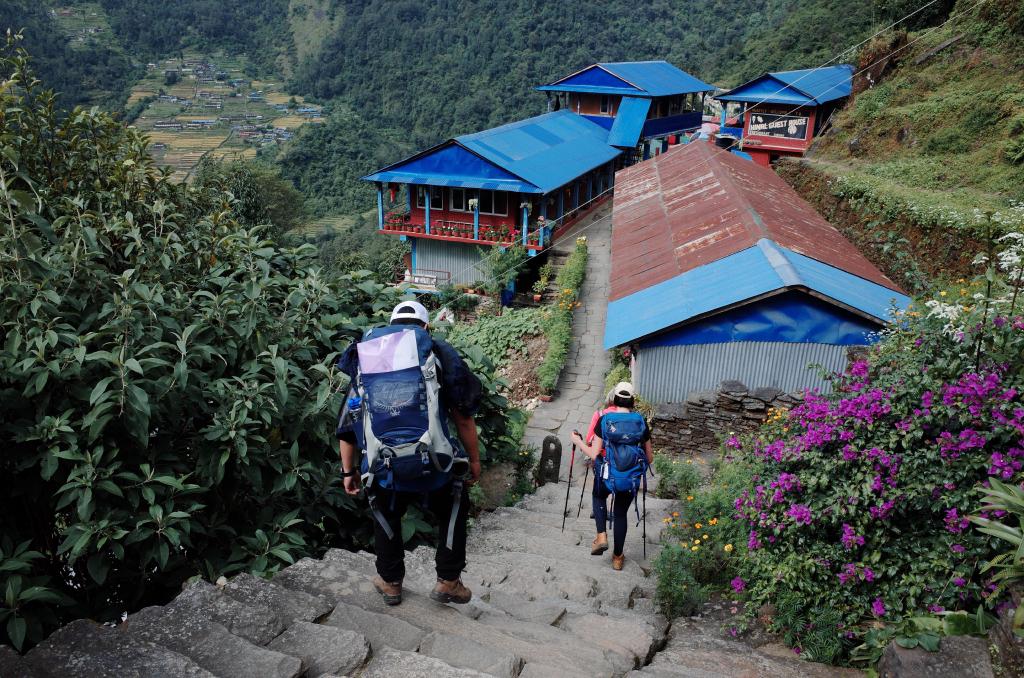
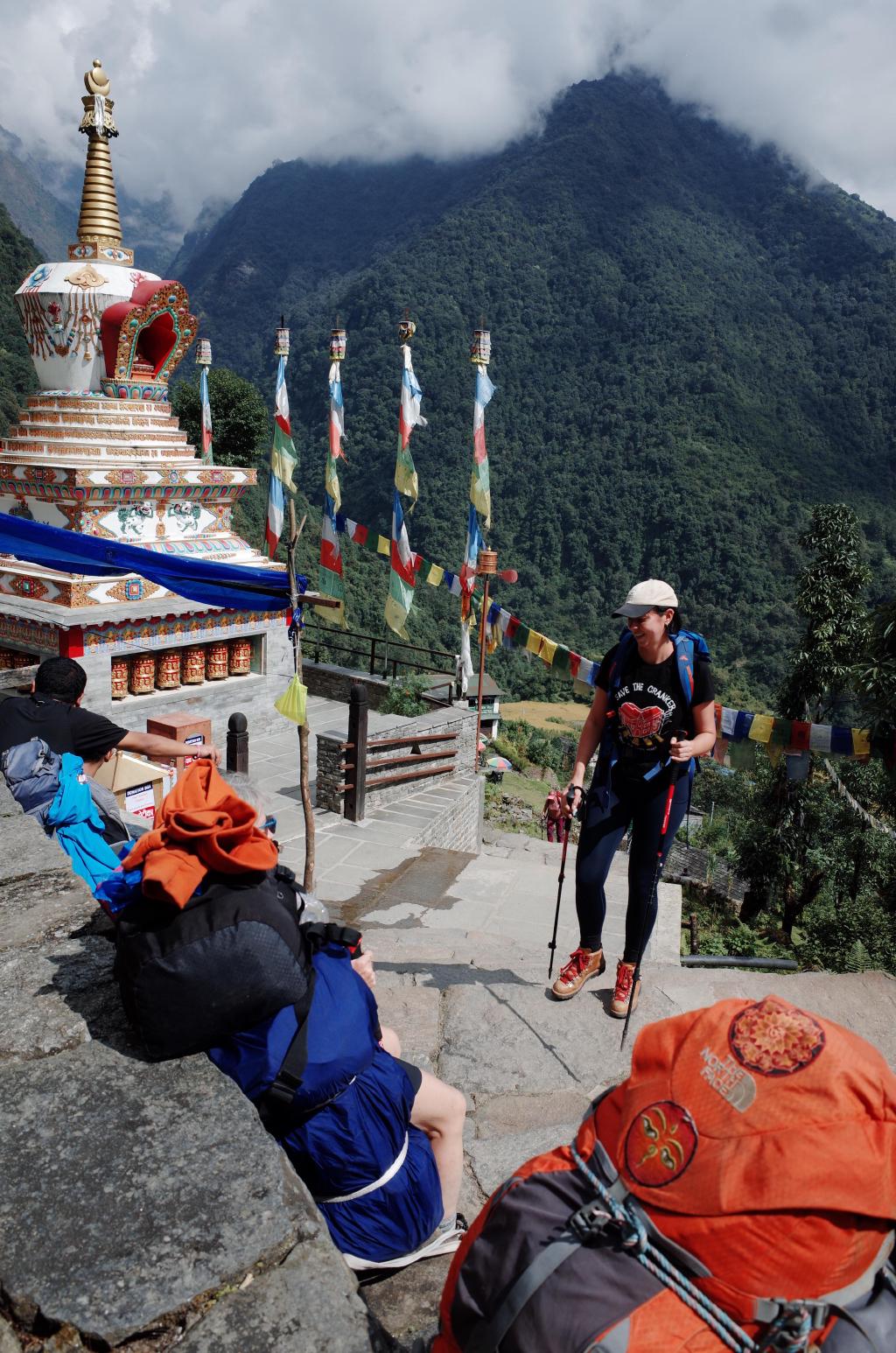
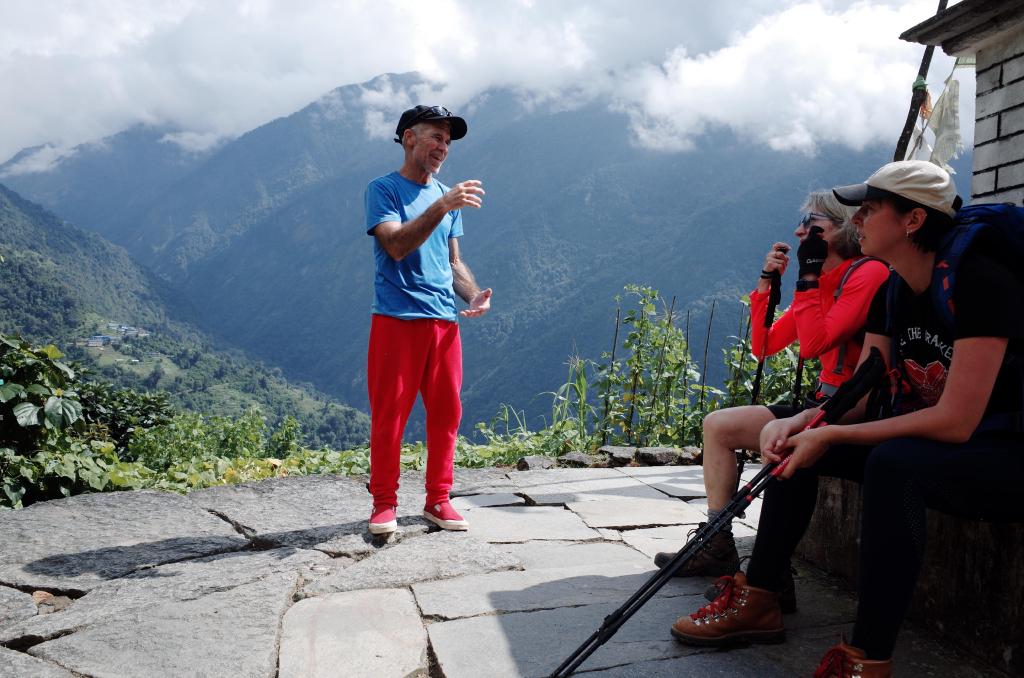
 Start of Day 6: Sinuwa to Jhinu Danda.
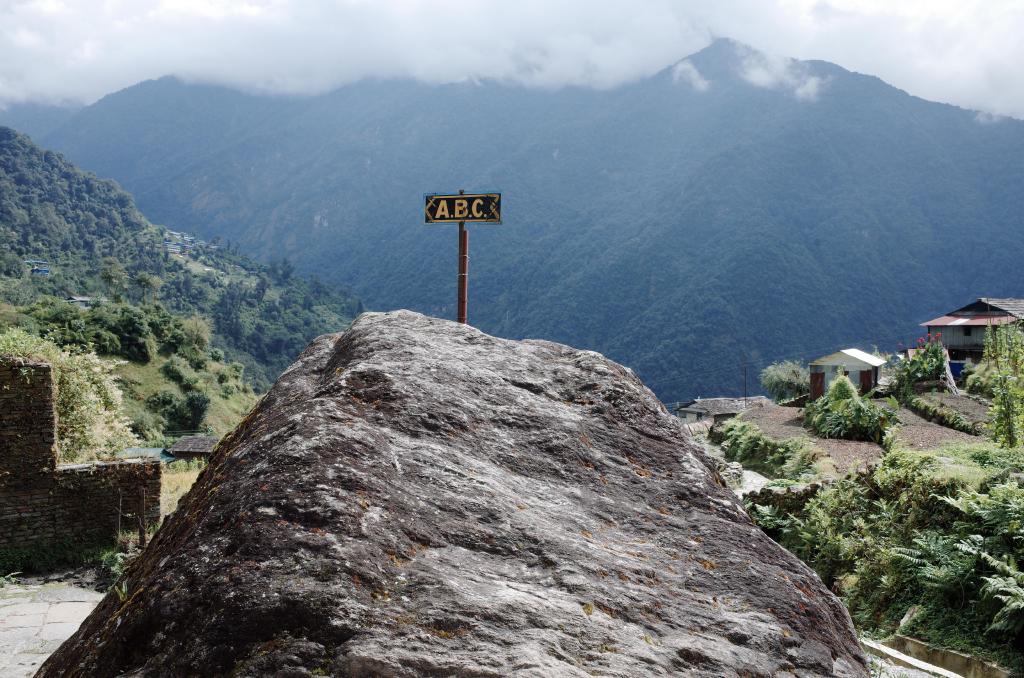
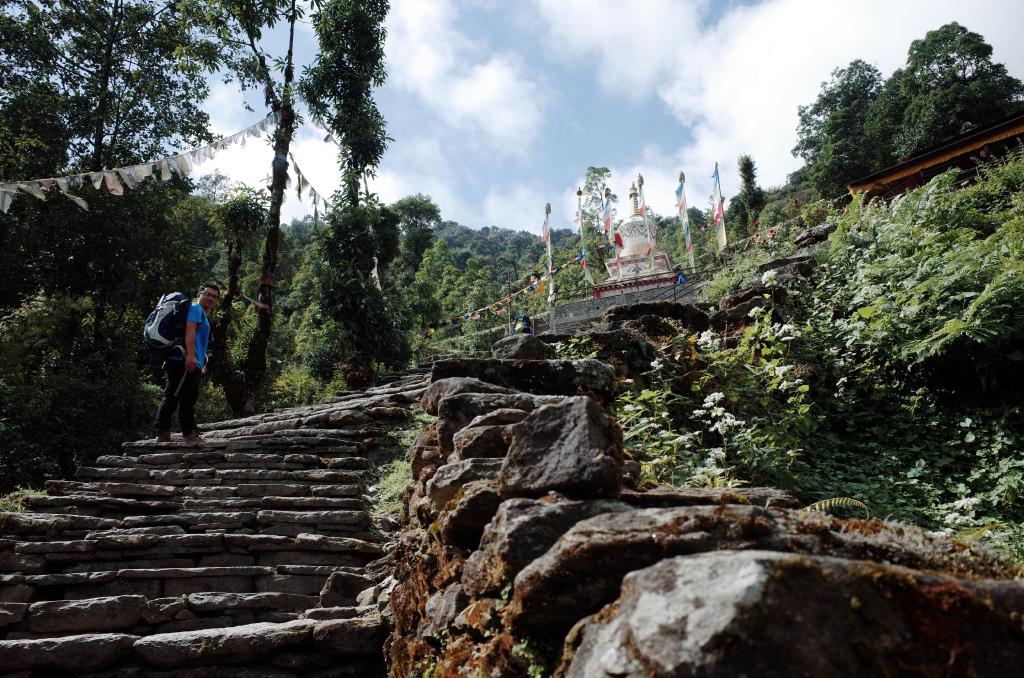
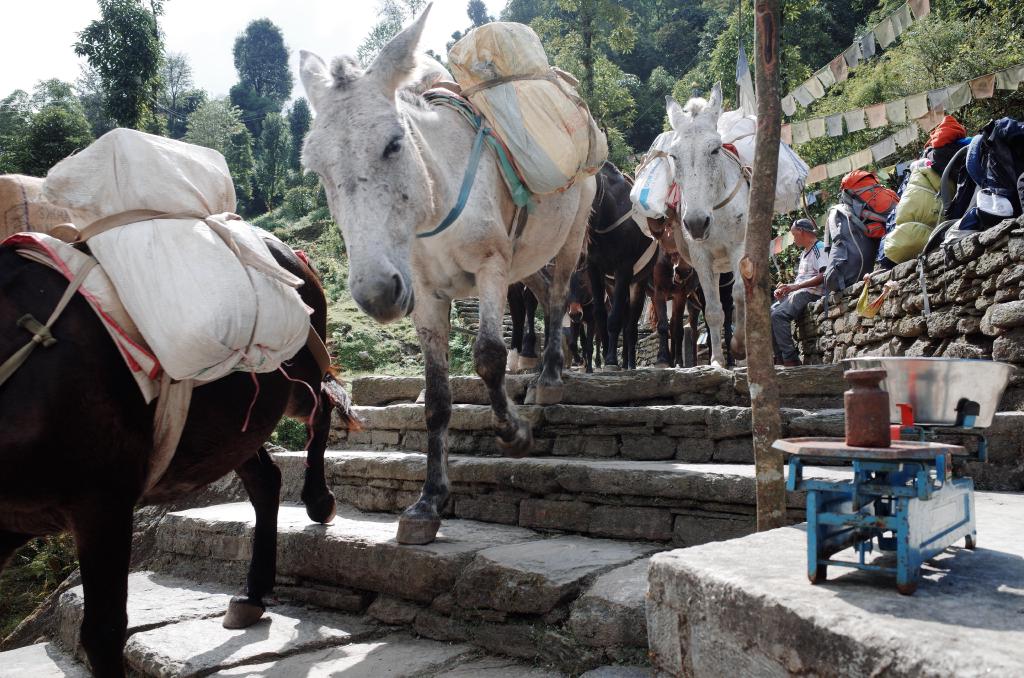
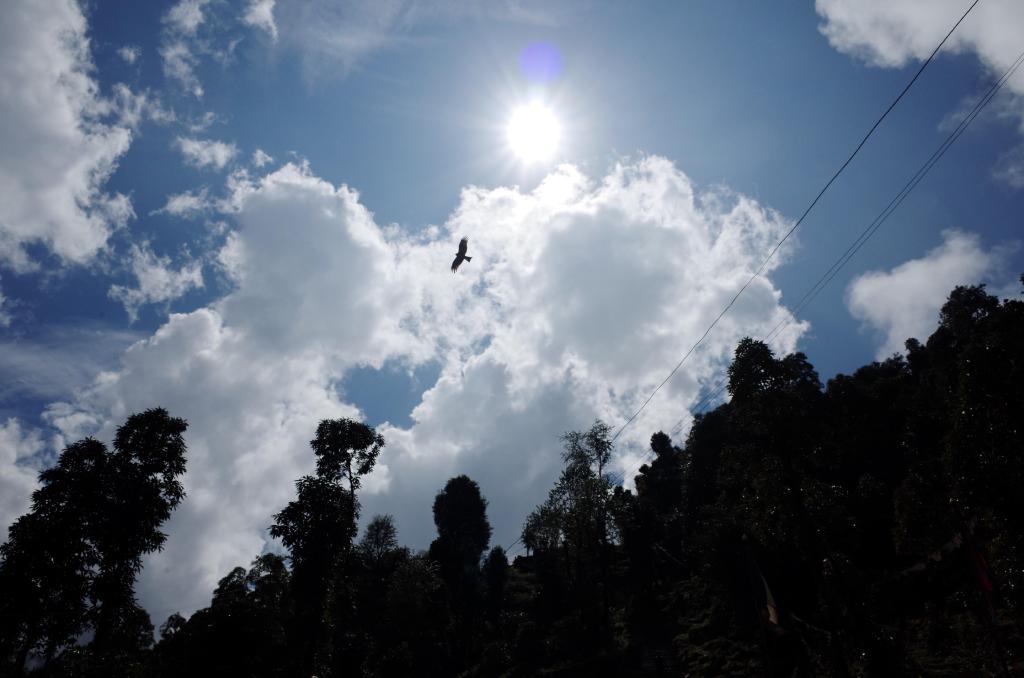
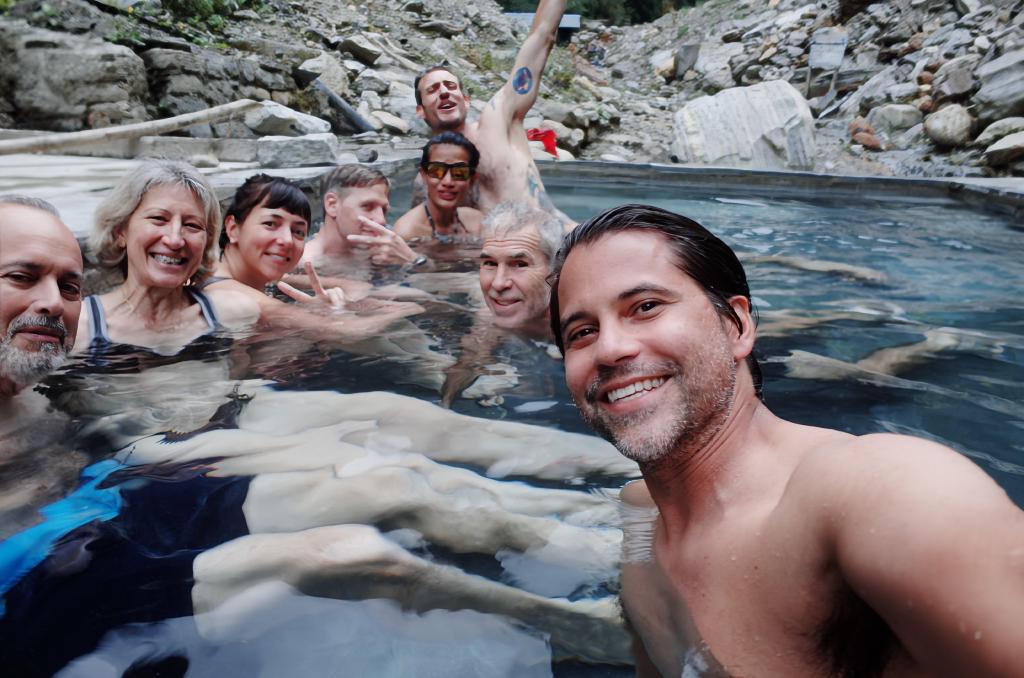
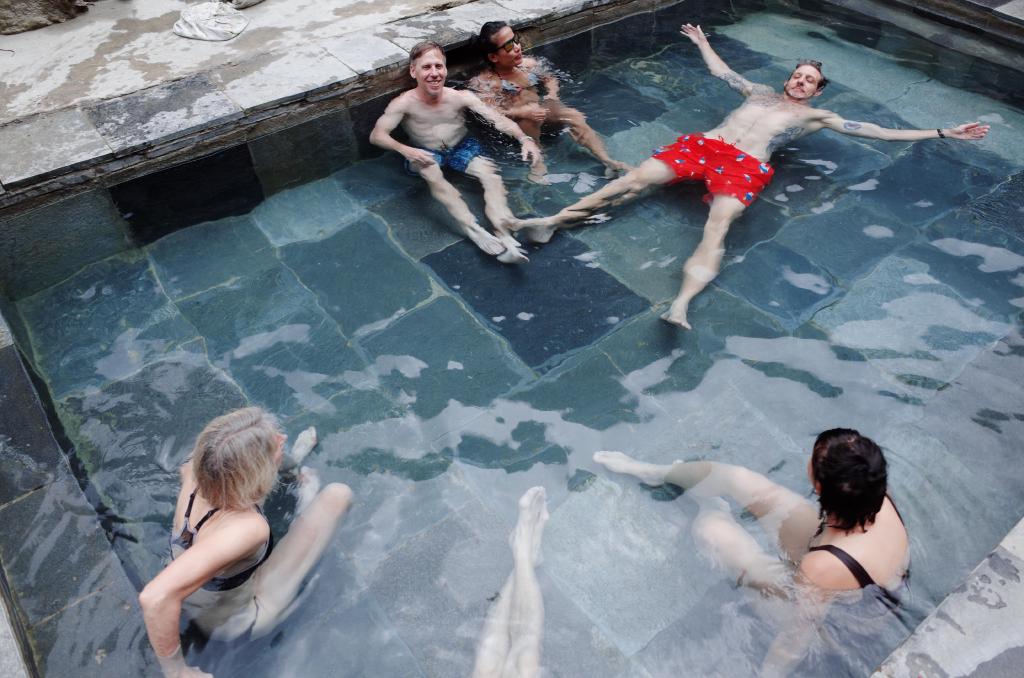 Jhinu Danda hot springs.
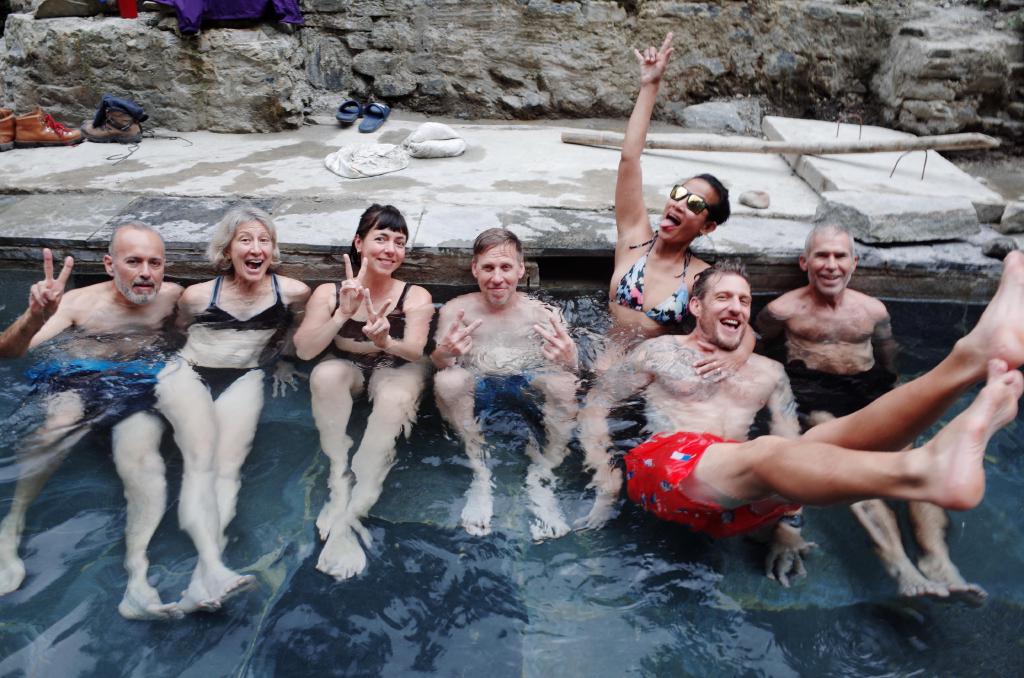
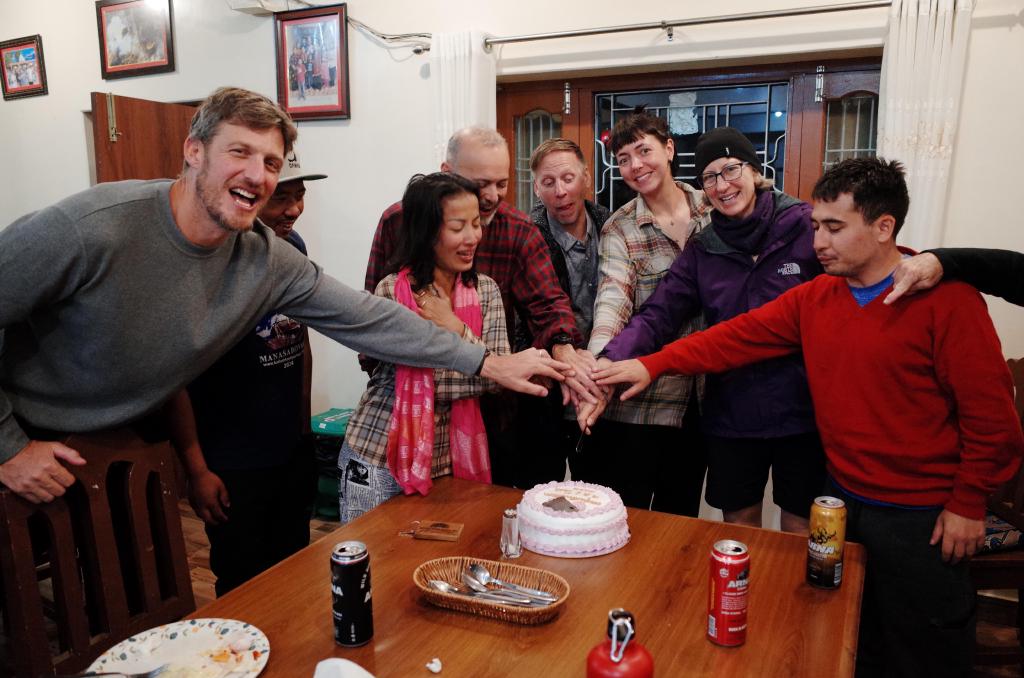 Celebratory cake cutting.
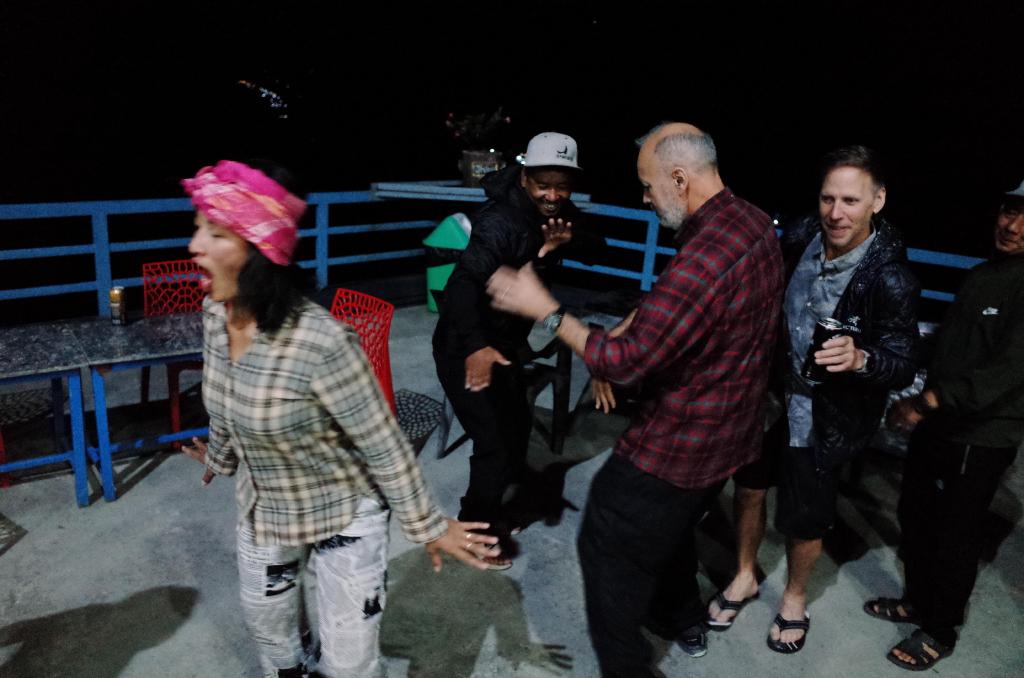 Dashain dance party.
End of Day 6 at Jhinu Danda; 6.75 km; 357 m; 2 h 45 m.
Trek Totals through Day 7 back to jeeps: 61.5 km; 4118 m ele gain; 22 h 52 m.